
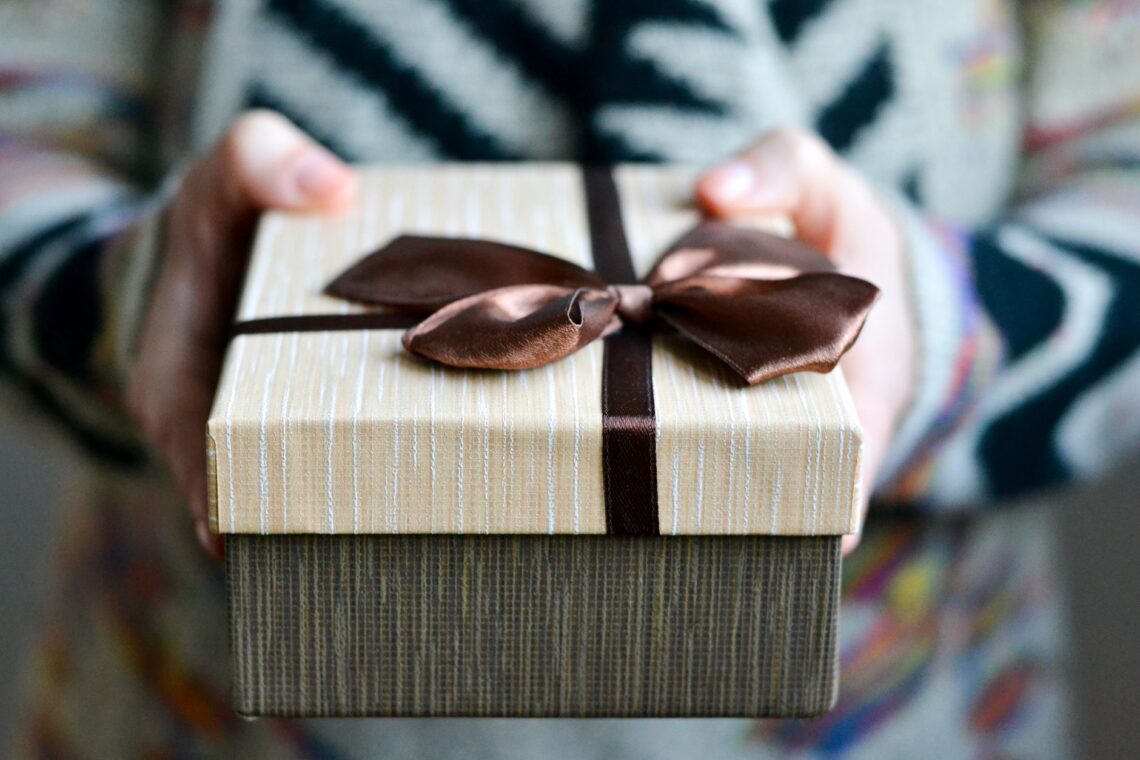
A lot of people feel a quiet pressure to make a gift look bigger than it really is. There is the urge to spend more, pick something impressive, and hope the price tag does the emotional work. But in many relationships, that is not what people remember.
What they remember is that you noticed something specific about them. You remembered a story they told, a habit they have, or a difficult week they were having. That is a big reason why sentimental gifts matter more than expensive ones in so many situations: they signal attention, care, and understanding in a way money alone usually cannot.
This does not mean expensive gifts are bad. Sometimes they are useful, generous, and deeply appreciated. But when the goal is to strengthen a relationship, sentimental gifts often carry more emotional weight because they feel personal, not performative.
Why sentimental gifts leave a stronger impression
Sentimental gifts tend to stay in someone’s memory because they connect to identity and experience. A mug may be ordinary, but if it has a phrase from an inside joke, it becomes a reminder of shared history. A framed photo is not just decoration when it captures a moment that mattered to both of you.
That kind of gift tells the recipient, “I see you.” For many people, that message matters more than receiving something expensive but generic. A thoughtful gift often feels like evidence that the relationship itself was worth time and attention.
They show effort in a visible way
People usually notice effort faster than price. Even a modest gift can feel special if it clearly required thought, memory, or personalization. The emotional reaction often comes from the care behind the choice, not the cost of the item.
This is why a simple handwritten note can matter so much. It shows you spent time reflecting on the person, not just shopping for them. In gift giving, that kind of effort often feels more intimate than spending more money.
They create a stronger connection to memory
Expensive gifts can be useful, but sentimental gifts often become keepsakes because they are tied to a story. A concert ticket stub, a custom ornament, or a recipe card in a grandparent’s handwriting can carry meaning far beyond the object itself.
That memory link helps the gift live longer in someone’s mind. The item becomes a reminder of a relationship, not just a purchase.
When expensive gifts can miss the mark
There are times when a costly gift feels impressive but still emotionally flat. This often happens when the gift is chosen to impress rather than to understand. A luxurious item can be appreciated, but it may not feel especially personal if it could have been given to almost anyone.
For example, a high-end candle or generic jewelry piece may be lovely, but if it does not reflect the person’s taste or story, it can feel less meaningful than a smaller, more specific gift. The issue is not the price. The issue is relevance.
People often remember gifts based on how seen they felt, not how much the giver spent. That is why a low-cost item with emotional significance can outshine a pricey but impersonal one.
Sentimental gifts work because they speak to the relationship
Different relationships call for different kinds of gifts, but sentimental ones often work well because they reinforce a shared bond. They can say, “I know what matters to you,” or “I remember where we’ve been together.” That makes them especially strong for birthdays, anniversaries, holidays, graduations, and other moments that already carry emotional meaning.
They are also useful when you want to acknowledge a milestone without turning the occasion into a shopping competition. A meaningful gift can feel more respectful of the moment than an extravagant one that overshoots the relationship.
Examples of sentimental gifts that often resonate
- A custom photo book for a parent, partner, or close friend, because it turns shared memories into something they can revisit.
- A handwritten letter paired with a small keepsake, which works well when the message matters more than the object.
- An item that references an inside joke, especially for friends or siblings who value shared humor.
- A family recipe written out by hand, which can be especially meaningful for grandparents, parents, or new couples building traditions.
- A framed map or print tied to a special place, such as where someone grew up, got married, or met a loved one.
These gifts are effective because they are specific. They do not just say “happy birthday.” They say, “I paid attention to what this relationship means.”
Why sentimental gifts often feel more generous than expensive ones
Generosity is not only about amount. It is also about consideration. A gift can feel generous when it shows that you used your time, memory, and judgment to choose something fitting.
That matters because people usually do not experience gifts as transactions. They experience them as signals. A thoughtful gift can communicate closeness, appreciation, and emotional presence in a way that a larger purchase sometimes cannot.
This is one reason sentimental gifts are often especially powerful in long-term relationships. Over time, people tend to value the signs that someone still knows them well. A gift that reflects current interests, shared history, or a meaningful memory can feel more generous than something expensive but generic.
How to choose a sentimental gift without making it feel awkward
Sentimental does not have to mean overly emotional. The best gifts usually feel warm and natural, not forced. If the sentiment is too intense for the relationship, the gift can feel uncomfortable instead of thoughtful.
A good rule is to match the level of sentiment to the closeness of the relationship. A long-term partner may appreciate a deeply personal gift. A coworker may respond better to a lighter, more practical gesture with a personal touch.
| Relationship | Sentimental approach that usually fits | What to avoid |
|---|---|---|
| Close partner | Shared memory, custom keepsake, handwritten note | Something so generic it could be for anyone |
| Parent or grandparent | Family photos, recipe collection, memory-based gift | Overly trendy items that have no personal connection |
| Friend | Inside joke gift, meaningful photo, shared experience | Anything too serious if your relationship is usually lighthearted |
| Coworker | Simple thank-you gift with a personal card | Anything too intimate or private |
The key is not to force emotion. Let the relationship shape the tone.
When expensive gifts still make sense
There are situations where a more expensive gift is appropriate and appreciated. A major milestone, a practical need, or a meaningful shared goal can justify spending more. The point is not to avoid expensive gifts altogether. It is to make sure the cost supports the relationship rather than replacing thoughtfulness.
For example, a couple might save up for a trip together because the experience matters to both of them. A parent might appreciate a quality appliance that genuinely makes daily life easier. In these cases, the price may be part of the value, but the gift still works best when it reflects knowledge of the person’s life.
Even then, a small sentimental element can make the gift stronger. A note explaining why you chose it, or a personal detail added to the presentation, often helps the recipient feel the human side of the gift.
Common mistakes people make when trying to be thoughtful
Trying to be sentimental can backfire when the gift is too vague or too sentimental for the moment. The most common mistake is choosing something that feels “meaningful” in theory but has no real connection to the person. A gift becomes sentimental when the recipient can feel the specific link, not just the general intention.
- Buying something generic and calling it thoughtful without any personal touch.
- Overloading the gift with emotion when a lighter gesture would feel more natural.
- Choosing a gift for your own taste instead of the recipient’s.
- Assuming expensive automatically means impressive, especially if the item does not fit the person’s lifestyle.
- Skipping the message, when a card or note would have added the missing context.
Often, the best sentimental gifts are simple. They just need to be chosen with care.
A simple way to decide between sentimental and expensive
If you are stuck, ask yourself one question: What do I want this gift to communicate? If the message is “I admire your taste,” an expensive item might make sense. If the message is “I know you, I remember you, and I value you,” a sentimental gift is usually the better choice.
That distinction is useful because it keeps the decision grounded. Not every occasion calls for the same kind of gift. The right choice depends on the person, the relationship, and the meaning behind the moment.
| If you want to communicate… | A better fit might be… |
|---|---|
| Appreciation | A heartfelt note with a small personalized gift |
| Celebration | A keepsake tied to the occasion |
| Support | A practical item with a personal message |
| Shared memory | A photo, memento, or custom piece |
| Luxury or splurge | A higher-priced item that still fits the person’s needs |
What sentimental gifts teach us about good gift giving
The strongest gifts usually do not try to prove how much money was spent. They prove how well someone was understood. That is why sentimental gifts matter more than expensive ones in so many real-life situations.
When a gift reflects memory, identity, and care, it tends to feel more personal and more lasting. People may forget the price, but they often remember the feeling of being known. That is what makes a thoughtful gift memorable, and that is why sentiment often outlasts cost.