
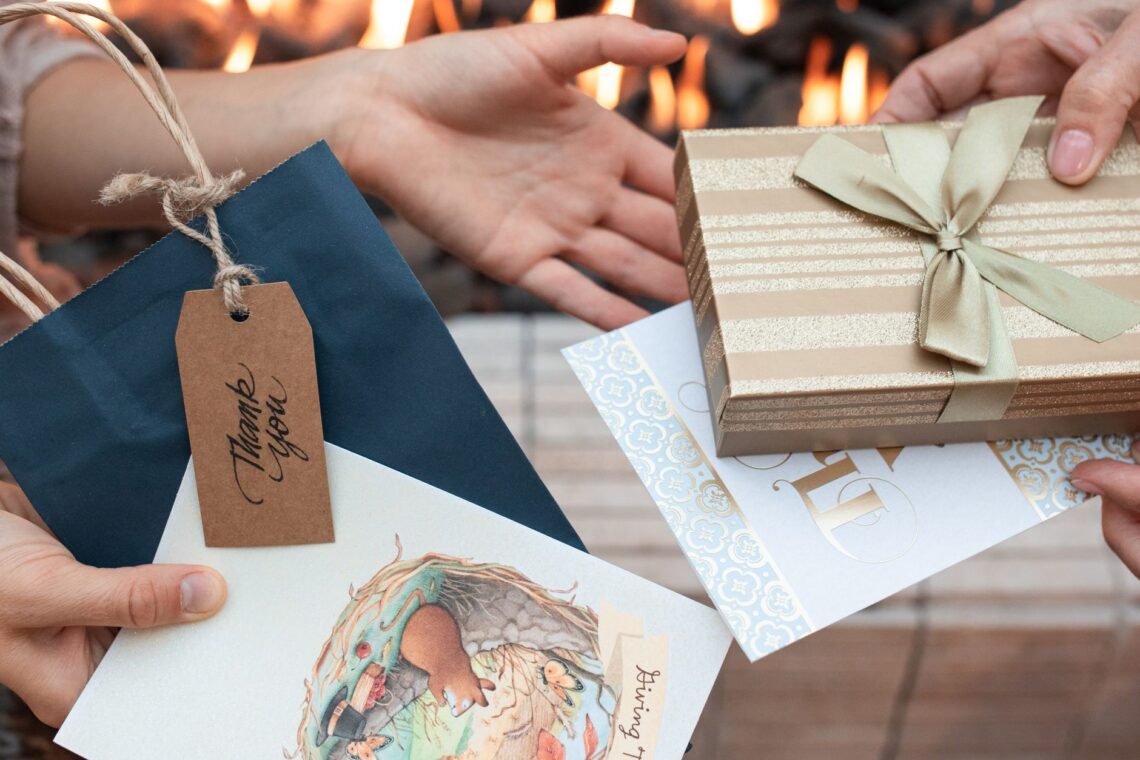
Group gifts can be a thoughtful way to show appreciation without putting too much pressure on one person’s budget. They also solve a common problem: everyone wants to contribute, but nobody wants the awkward feeling that comes from spending too little, spending too much, or picking something that feels off. That is where group gift etiquette explained becomes useful, because the best group gifts are less about the item itself and more about how smoothly people organize around it.
When a group gift is handled well, it feels generous and coordinated. When it is handled poorly, it can leave people feeling excluded, overcharged, or pressured to join in. A little etiquette goes a long way here, especially in workplaces, families, friend groups, and school communities where relationships matter as much as the gift.
What group gift etiquette really means
Group gift etiquette is the set of unwritten rules that help shared gifting feel fair and comfortable for everyone involved. It covers how to invite people in, how much to contribute, how to choose the gift, and how to handle people who do not want to participate.
The goal is not to make gifting rigid. It is to keep the process respectful. A good group gift should make the recipient feel appreciated, while also making contributors feel that their money and effort were handled thoughtfully.
When a group gift makes sense
Not every situation calls for a group gift, but many do. They are especially useful when the recipient is someone the group collectively knows well, or when a more substantial gift would be meaningful coming from several people together.
Common situations where group gifts work well
- Workplace celebrations, such as a retirement, baby shower, or farewell
- Family occasions, like a milestone birthday or wedding gift
- Friend groups, especially for anniversaries, housewarmings, or memorial donations
- School and community settings, such as teacher appreciation or coach thank-yous
Group gifts are often a good choice when the relationship is shared and the sentiment matters more than individual flair. They can also reduce pressure on people who would otherwise feel forced to buy several smaller gifts.
The core rules of good group gift etiquette
There are a few habits that make group gifting feel smooth and considerate. These are the basics that usually prevent misunderstandings.
1. Invite people in gently
No one should feel cornered into contributing. A good invitation is clear, but not pushy. It should explain the occasion, the suggested amount, and whether participation is optional.
A simple message like, “A few of us are putting together a group gift for Maria’s retirement, and we thought you might want to join if you’d like,” gives people room to say yes or no comfortably.
2. Keep contribution amounts reasonable
The fairest group gifts usually have a modest contribution range. If the amount is too high, people may opt out silently or feel embarrassed. If it is too low, the gift may not feel meaningful or may create more admin than it is worth.
For many casual group gifts, a small fixed amount or a suggested range works better than an open-ended request. That keeps things simple and prevents comparisons.
3. Make participation optional
This is one of the most important parts of group gift etiquette explained. A group gift should not feel like a bill. People may have financial limits, different relationships with the recipient, or personal reasons for not joining in.
Optional participation protects goodwill. It also prevents resentment, which can quietly damage a group more than the gift helps it.
4. Choose one organizer
Group gifts often go more smoothly when one person takes the lead. That person does not need to make every decision alone, but they should handle collecting money, keeping track of the budget, and communicating updates.
Without a clear organizer, messages get repeated, details get lost, and people can end up contributing twice or not at all.
5. Match the gift to the relationship
A group gift should fit the recipient and the setting. A funny inside joke might be perfect for close friends, but awkward for a workplace retirement. A practical household item may be thoughtful for a new parent, while a memory-based gift may feel more meaningful for a longtime teacher.
The best group gifts reflect what the recipient values, not just what is easiest to buy.
How to decide who should be invited
One of the trickiest parts of group gift etiquette is deciding who gets asked to contribute. The invitation list should usually follow closeness, relevance, and comfort rather than trying to include everyone nearby.
A simple way to think about the invite list
| Question | Why it matters |
|---|---|
| Does this person know the recipient well? | If not, they may feel pressured to contribute to someone they barely know. |
| Would they reasonably want to join? | Participation should feel natural, not forced. |
| Is this group already connected? | Shared context makes group gifting feel smoother and more respectful. |
| Is the invitation keeping costs fair? | The list should not expand so much that the gift becomes awkwardly expensive or impersonal. |
If you are unsure, it is often better to keep the circle smaller. A tighter group usually makes coordination easier and the gift feel more intentional.
How much should people contribute?
There is no universal amount, and that is part of why group gift etiquette can feel confusing. The right contribution depends on the setting, the relationship, and the kind of gift being planned.
For casual group gifts, a modest amount is usually best. For major life events, the amount may be higher, but it should still feel realistic for the people involved. A group gift works best when almost everyone can contribute without stress.
What makes a contribution amount feel fair
- It is low enough that people do not need to think twice
- It reflects the occasion without creating pressure
- It does not assume everyone has the same budget
- It leaves room for people to give more or less privately if they want to
In many cases, the most considerate approach is to suggest an amount rather than demanding one. That small difference changes the tone from obligation to invitation.
Who should collect the money?
The person collecting contributions should be organized, discreet, and comfortable following up politely. That role may sound simple, but it affects how people feel about the whole process.
Good organizers keep records, communicate deadlines early, and do not make contributors chase them for updates. They also avoid embarrassing anyone who sends money late or decides not to participate.
Signs of a good organizer
- They communicate clearly and early
- They do not overshare who has or has not paid
- They keep the budget transparent
- They follow through on time
If you are the organizer, a brief note confirming the recipient, budget, and deadline can prevent most confusion. People usually appreciate clarity more than elaborate planning.
How to choose the actual gift
The best group gifts usually have one of three qualities: they are useful, personal, or memorable. The strongest gifts often combine at least two of those.
Useful gifts
Useful gifts work well when the recipient would genuinely benefit from something practical. This might be a high-quality kitchen item for a family, a desk accessory for a coworker, or a contribution toward something they have mentioned needing.
Practical gifts can feel thoughtful because they show attention. They say, “We noticed what would make your life easier.”
Personal gifts
Personal gifts are especially good when the group knows the recipient well. These might include a framed photo book, a custom item, or something tied to a shared memory.
Personal gifts tend to feel warmer because they reflect the relationship, not just the occasion.
Experience gifts
Experience gifts, such as a class, dinner out, or event tickets, can be a strong choice when the recipient values doing over owning. They also work well for people who already have enough things.
These gifts often feel generous because they create something to look forward to. That anticipation can be just as meaningful as the gift itself.
Practical vs sentimental group gifts
Many people get stuck deciding between something useful and something more emotional. Both can work. The better choice depends on the person and the setting.
| Type of gift | Best when | Possible drawback |
|---|---|---|
| Practical | The recipient values usefulness or needs something specific | Can feel impersonal if it is too generic |
| Sentimental | The relationship and memory matter more than the item | May not suit every recipient or setting |
| Experience-based | The recipient enjoys activities, outings, or shared time | Requires good timing and may not be usable immediately |
A thoughtful group gift often leans practical with one small sentimental detail. That balance keeps the gift grounded while still feeling personal.
How to avoid common group gift mistakes
Most group gift problems come from a few predictable habits. Once you know them, they are easier to avoid.
Do not make it feel mandatory
Even a well-intended gift can create discomfort if people feel pressured. Keep language light and optional. The tone should never suggest that declining is rude.
Do not surprise people with the cost
People dislike being asked to pay after the fact, especially if the amount is higher than expected. Share the budget early so everyone can make a clear decision.
Do not assume everyone wants the same thing
Some people prefer a big shared gift. Others would rather give individually. A group gift should feel like a convenient option, not the only acceptable one.
Do not let one person dominate the decision
A group gift works best when the organizer listens to others, especially if the gift is meant to represent the whole group. If one person chooses everything alone, the gift may feel less communal.
Do not ignore thank-you etiquette
It is easy to forget that people who contributed may want to know the gift was received and appreciated. A quick thank-you note, photo, or message can go a long way.
What to do if someone does not want to join
Not everyone will participate, and that is normal. The most gracious response is to accept it without asking for an explanation.
People may have financial concerns, different levels of closeness to the recipient, or personal boundaries around group spending. Respecting that choice keeps the group dynamic healthy.
If the group gift is structured well, non-participation should feel uneventful. That is usually the sign of good etiquette working as intended.
How to handle the presentation
Presentation matters more than many people realize. Even a modest group gift can feel special when it is handed over thoughtfully.
Simple ways to present a group gift well
- Include a card signed by everyone
- Write a short note explaining why the gift was chosen
- Share one or two genuine memories or compliments
- If possible, present it in person rather than rushing through it
The emotional value of a group gift often comes from the feeling that several people thought about the recipient together. A card or message helps make that visible.
Group gift etiquette in workplaces
Workplace group gifts need extra care because coworkers do not all have the same level of closeness, comfort, or budget. A request that feels easy in a friend group may feel awkward at work if it is handled too directly.
In a work setting, keep the invitation polite and low-pressure. Be especially careful not to link contribution to professional standing or politeness. Nobody should feel that saying no might affect how they are seen at work.
Good workplace group gift habits
- Keep the amount modest
- Avoid public pressure in meetings or chat threads
- Make participation clearly optional
- Choose gifts that are appropriate for the office culture
For a coworker, retirement, or farewell, a thoughtful message from the group often matters as much as the gift itself.
Group gift etiquette for friends and family
Friend and family groups usually allow more personal touches, but they can also bring more emotion. Differences in budget, closeness, or expectations can surface quickly if no one sets gentle boundaries.
When friends or relatives are involved, it helps to stay focused on the shared purpose of the gift instead of who contributes the most. The point is to create a warm, collective gesture, not a comparison.
Family and friend groups often benefit from
- Small, transparent budgets
- One clear organizer
- A choice of gift that feels broad enough for the whole group
- A short, sincere note that makes the gift feel personal
A simple decision-making checklist
If you are unsure how to approach a group gift, this quick checklist can help.
- Is the invitation optional?
- Is the contribution amount clear and reasonable?
- Is one person coordinating the plan?
- Does the gift suit the relationship and setting?
- Will the recipient likely feel appreciated rather than awkward?
- Are non-participants being respected?
If the answer to most of those questions is yes, the group gift is probably on solid ground.
FAQs
Is it rude to decline a group gift?
No. Declining should be treated as a normal choice, especially if the invitation was optional. A polite group gift request makes room for different budgets and preferences.
Should everyone contribute the same amount?
Not always. Some groups prefer equal amounts for simplicity, while others use a suggested range. The best approach depends on how formal the setting is and how comfortable people are with the arrangement.
What if one person wants to give more?
That is fine, as long as it does not create pressure for others. Some people prefer to add extra privately, especially if they are close to the recipient. The group plan should still stay manageable for everyone else.
How do you make a group gift feel personal?
Add a card, mention a shared memory, or choose something tied to the recipient’s interests. Personalization does not always require custom engraving. Often, it is simply about showing that the group paid attention.
Choosing the kindest version of a group gift
The most successful group gifts are usually not the fanciest ones. They are the ones that fit the relationship, respect people’s budgets, and make the recipient feel genuinely seen. That is the real heart of group gift etiquette explained.
If you keep the process optional, transparent, and considerate, the gift itself has room to do what it should: bring people together in a way that feels easy, thoughtful, and sincere.