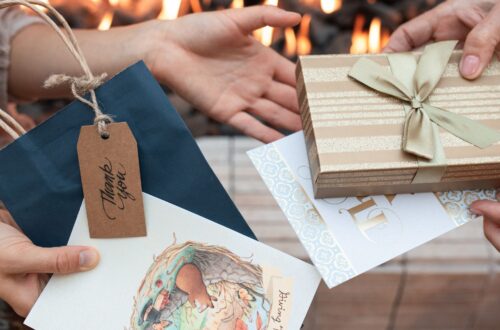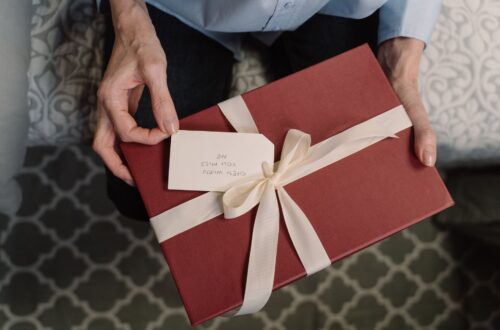

Begin with one detail the recipient would recognize. It could be a handwritten recipe, an object they repaired instead of replacing, or a place you have both talked about returning to. Decide how they would like to keep or use that detail before you choose the gift.
This guide covers six ways to turn one detail into a gift, including things you can assemble yourself, order from a maker, or arrange as an experience. Compare the time, permissions and work each choice requires before committing.
What makes a gift feel one of a kind
A gift feels one of a kind when it seems connected to the person, not just to the occasion. That connection can come from personalization, but it can also come from timing, context, or effort. A small item with the right meaning often lands better than a larger item with no clear story behind it.
There are a few qualities that tend to make gifts feel more memorable:
- Specificity, meaning the gift clearly relates to the recipient’s life or interests
- Personal effort, meaning it took time to notice, choose, or create something thoughtful
- Symbolism, meaning the gift represents something bigger than the object itself
- Usefulness, meaning the person can actually enjoy or use it in everyday life
- Story, meaning the gift comes with a reason that makes it memorable
That is why a one-of-a-kind feeling often has less to do with the object and more to do with the thought behind it. Even a simple item can feel special if it clearly says, “I noticed this about you.”
Six Ways to Turn a Real Detail Into a Gift
1. Collect a few recipes and the stories behind them
Ask relatives for two or three dishes the recipient actually makes or asks for. Include a clear ingredient list and a short note about who taught it to you. Give the contributors a chance to check how their words or handwriting will appear. If you want a bound volume, compare custom recipe books for gifts by binding, space for notes, and whether the pages stay open on a counter.
2. Restore a useful object they have chosen to keep
If they have talked about repairing a favorite bag, coat, or pair of boots, offer a specific service with a local repairer. Ask what they want preserved before booking. For an item with a strong history, give a card offering to arrange the repair and let them approve the work.
3. Finish the material from a shared project
Gather a few photographs from a garden renovation or a long trip and add one line about what changed at each point. Use dates only where you can verify them. A small set of prints can be easier to revisit than a large album that takes weeks to complete.
4. Commission a small illustration of a place they know
Pick a recognizable feature such as a shopfront, balcony, or bend in a trail. Ask the artist which reference they need, check the proof terms, and agree on the finished size before paying. For a private address, confirm that everyone involved is comfortable sharing it with the artist.
5. Arrange a shared experience with a date they can choose
Choose an activity they have mentioned, then sort out travel, accessibility, and anything they need to bring. For a class or reservation, check how long the voucher is valid and whether they can pick the dates. Put the next step and any prepaid details on the card.
6. Buy a maker’s piece with a specific use in mind
Think of the space, habit, or tool it would serve. A small ceramic dish can give someone a place for the keys they always lose. Check the dimensions and finish, and include the maker’s name or care instructions where they help the recipient use it.
How to choose a gift that feels original without trying too hard
Trying too hard is a common reason unique gifts miss the mark. A gift can feel overly themed, overly clever, or too focused on novelty rather than the person receiving it. The safest way to avoid that is to start with the recipient’s real life.
Ask yourself a few simple questions:
- What does this person talk about often?
- What do they do in their free time?
- What small frustration could a gift solve for them?
- What memory do we share that could inspire something meaningful?
- What would feel like a pleasant surprise, not a weird guess?
If you can answer even one of those questions clearly, you are already closer to a gift that feels one of a kind. The goal is not to be unusual in every possible way. The goal is to be specific.
Practical comparison: personalized, handmade, and experience gifts
When people want unique gift ideas that feel one of a kind, these three categories usually come up first. Each has strengths, and the right choice depends on the relationship and the occasion.
| Gift type | Why it feels unique | Best for | Possible downside |
|---|---|---|---|
| Personalized gift | Connects directly to the recipient’s name, memory, or identity | Close friends, partners, family members | Can feel generic if the personalization is shallow |
| Handmade gift | Shows effort, craftsmanship, and individuality | People who appreciate artisan or artistic items | Style may not match the recipient’s taste |
| Experience gift | Creates a memory instead of adding another object | People who value time, activities, or shared moments | Needs good timing and may require scheduling |
In many situations, the best choice is the one that fits how the person likes to receive care. Some people love keepsakes. Others prefer useful items. Some would rather do something together. Paying attention to that preference often makes the gift feel more original than simply choosing the most unusual thing you can find.
Unique gift ideas for different kinds of people
The same gift does not feel equally meaningful to everyone. A truly one-of-a-kind gift usually reflects the relationship as much as the recipient.
For a partner
For romantic partners, the most effective unique gifts often highlight shared history. A custom map, a framed photo with a handwritten note, a playlist paired with a small printed booklet, or an object tied to an inside joke can feel more intimate than something flashy.
Partners generally notice effort and emotional symbolism. If the gift suggests that you remember small details from your relationship, it will often feel more personal than anything expensive.
For a parent
For parents, gifts that combine usefulness and memory tend to work especially well. A recipe book filled with family favorites, a framed photo of grandchildren, a custom calendar with family birthdays, or a small item related to a hobby they enjoy can feel thoughtful without being overly sentimental.
Many parents appreciate gifts that make their daily life easier, but they also often value reminders of family connection. A balanced gift usually does both.
For a friend
For friends, the strongest unique gifts often reflect shared experiences. A print from a favorite concert venue, a small item related to a trip you took together, or a gift inspired by an ongoing joke can feel more meaningful than a broad, trendy item.
Friendship gifts work well when they feel casual but still attentive. You do not need to over-personalize them. You just need to show that you know the person well.
For a coworker
For coworkers, unique gifts should usually stay thoughtful but appropriate. A high-quality desk accessory, a small local treat, a nicely packaged tea or coffee item, or a notebook with a subtle personal touch can feel distinct without crossing a boundary.
The best coworker gifts often signal appreciation rather than intimacy. They should feel considerate, not invasive.
Common mistakes when trying to give something unique
People often want their gift to stand out so much that they lose sight of what makes it feel kind. A gift can be unusual and still miss the mark if it ignores the recipient’s taste, lifestyle, or comfort level.
- Choosing novelty over usefulness. Funny gifts are entertaining for a moment, but useful gifts usually last longer in someone’s memory.
- Making the gift about the giver. A gift should not mainly showcase your own creativity if the recipient would not naturally enjoy it.
- Over-personalizing too early. Very intimate gifts can feel awkward if the relationship is not that close.
- Ignoring practicality. A beautiful gift that cannot be used, displayed, or kept easily may not feel special for long.
- Assuming expensive means original. A higher price does not automatically create a stronger emotional connection.
If you are unsure, go back to the simplest question: would this feel like something the recipient would genuinely want, or just something that looks different? That distinction usually separates thoughtful from forced.
Give the Recipient the Part of the Story They Will Recognize
Put the shared reference in one place. A dated note can explain why a photograph mattered, and a short printed label can record who taught you the recipe. Leave room for the gift to remain useful as the recipient’s tastes or living arrangements change.
Read the note aloud once. If it sounds like it could belong to someone else, replace one adjective with a detail from the day or conversation. These handwritten notes and finishing touches are useful when the story belongs on a card or label.
When a one-of-a-kind gift is not the best choice
There are moments when a highly unique gift is not actually the smartest option. If the relationship is new, the recipient is hard to shop for, or the occasion is formal, a more classic gift may be safer and more appreciated.
That does not mean the gift should be boring. It just means the level of originality should match the situation. A thoughtful, well-made standard gift is often better than a quirky one that creates confusion.
In other words, uniqueness should support the relationship, not overpower it. The best gifts feel personal because they fit the person naturally, not because they try too hard to surprise.
FAQs about unique gift ideas that feel one of a kind
What makes a gift feel unique without being expensive?
A gift usually feels unique when it reflects the recipient’s personality, routines, or memories. Personalization, handwritten notes, and careful selection often matter more than price.
Are handmade gifts always more meaningful?
Not always. Handmade gifts can be very meaningful, but they only work well when the style and quality match the recipient’s taste. A thoughtful store-bought gift can feel just as special if it is chosen well.
What is the safest way to make a gift feel one of a kind?
Start with something the person already likes or uses, then add a personal detail. That approach keeps the gift practical while still making it feel specific to them.
Can experience gifts feel as personal as physical gifts?
Yes, often they can. A well-chosen experience can feel deeply personal because it creates time together or supports a hobby the recipient truly enjoys. The key is making sure the experience fits their comfort level and schedule.
Choosing a gift that feels remembered
The most memorable gifts are usually the ones that seem to say, “I know you.” That can happen through a custom detail, a shared memory, a useful item chosen with care, or an experience that matches the person’s life. The object matters, but the recognition behind it matters more.
If you are looking for unique gift ideas that feel one of a kind, focus less on being unusual and more on being attentive. A gift that reflects who someone really is will usually feel more original, and more appreciated, than something picked only because it looked different on a shelf.