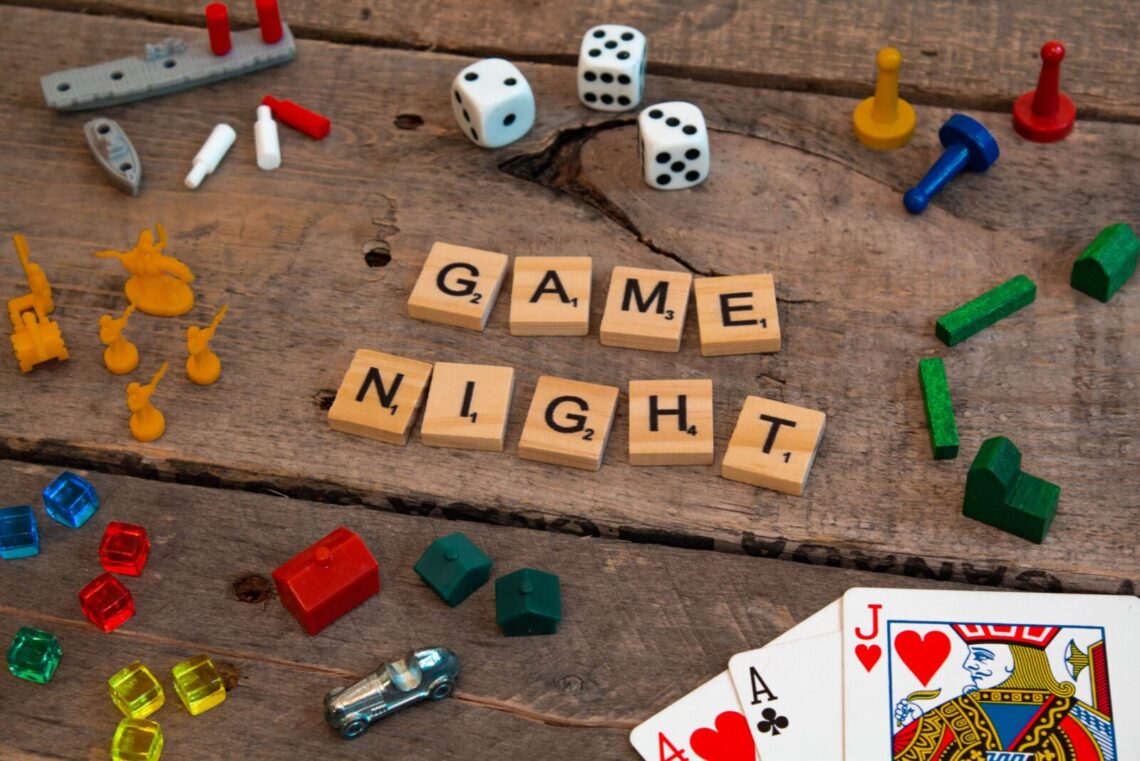
A family game should fit the people who will actually sit at the table. The best board games as family gifts balance player count, reading demands, available time, and the kind of interaction a household enjoys. A clever strategy game can be a poor present for a family that wants conversation, while a fast party game can disappoint people hoping for a longer shared challenge.
These selections include substantial boxed board games and a few clearly identified card games with distinct roles. They are not twelve variations on adult trivia. The age references belong to the selected listings; they do not mean every child at that age will enjoy the rules, themes, or pace. Several choices suit younger school-age players, while Codenames is reserved here for families with teens and adults.
The comparison is based on game descriptions and documented configurations, not invented play sessions. Before choosing, find out what is already on the family’s shelf and how many people normally play. Our guide to choosing gifts people genuinely appreciate explains why those ordinary details can matter more than a surprise with an impressive box.
Quick Answer
- Ticket to Ride — Best Overall: Ticket to Ride is a strong first substantial board-game gift for a family willing to learn together.
- Azul — Best for a Tactile Pattern Puzzle: Azul has a particularly clear gifting role when two or three family members already enjoy puzzles at the same table.
- Carcassonne — Best for Building a Shared Landscape: A family that likes creating something visible together may find Carcassonne easier to picture in its routine than an abstract token economy.
Comparison Table
| Product | Best For | Selected Format | Key Consideration |
|---|---|---|---|
| Ticket to Ride | Best Overall | Two to five players; age 8+; 30–60 minutes | Requires time to complete a full session |
| Azul | a Tactile Pattern Puzzle | Two to four players; age 8+; 30–45 minutes | Four-player ceiling excludes larger groups |
| Carcassonne | Building a Shared Landscape | Two to five players; age 7+; about 35 minutes | Growing map needs table space |
| Pandemic Base Game | Cooperative Play | Two to four players; age 8+; 45–60 minutes | One experienced player can dominate group decisions |
| Kingdomino | a Smaller Spatial Strategy Gift | Two to four players; age 8+ | Four-player ceiling limits larger gatherings |
| Splendor | Resource Planning | Two to four players; age 10+; about 30 minutes | Theme is more abstract than a story-led adventure |
| CATAN Base Game | Trading and Negotiation | Three to four players; age 10+; 60–90 minutes | Standard base game is not for two players |
| Codenames, 2nd Edition | Families With Teens | Team word association; four or more players; listed age 14+ | Reading and vocabulary affect participation |
| Herd Mentality | Larger Family Gatherings | Four to twenty players; age 10+ | Needs at least four players |
| Do You Really Know Your Family? | Conversation Between Relatives | Family questions and challenges; age 8+ | Personal questions require household comfort |
| Connect 4 Classic Grid | One Adult and One Younger Player | Two players; age 6+ | Only two people play at once |
| Taco Cat Goat Cheese Pizza | Best Card Game for Short Rounds | Two to eight players; age 7+; short card rounds | Fast hand-slapping format may not suit every participant |
1. Ticket to Ride — Best Overall

Building train routes gives Ticket to Ride a visible shared objective without requiring everyone to enjoy the same fictional setting. Players collect cards, claim connections, and work toward destination tickets, so the gift provides a complete evening activity rather than a collection of conversation prompts. The selected base game supports two to five players, ages eight and up.
Its listed 30–60-minute playtime is a useful planning reference, though teaching and first-time decisions can extend an evening. Route competition is part of the experience. A family that dislikes blocking another person’s plan may be better served by a cooperative game instead of assuming a familiar travel theme removes competition.
Pros
- Route building supplies a clear shared-board objective
- Card collection supports planning between turns
- Destination tickets give players different goals
- Five-player support accommodates a larger household
- Base game supplies a standalone game-night choice
Cons
- Requires time to complete a full session
- Competitive route blocking may frustrate some groups
Ticket to Ride is a strong first substantial board-game gift for a family willing to learn together. Offer to arrange an uninterrupted first game, with enough table space and time, so the present arrives with a realistic opportunity to leave the shelf.
To buy this product, click here.
2. Azul — Best for a Tactile Pattern Puzzle

Azul gives players individual walls to develop while making tile choices from a shared supply. That combination suits a household interested in patterns and visible planning rather than character stories or personal questions. The selected game supports two to four players, ages eight and up, with a listed 30–45-minute session.
Its attractive tile-based format should not conceal the need to explain scoring. Players benefit from understanding what a placement accomplishes before drafting simply for appearance. A four-person ceiling also matters: this is a coherent present for a smaller regular group, not a game that automatically includes everyone at a large holiday gathering.
Pros
- Tile drafting offers a tactile activity
- Individual walls make progress visible
- Shared tile selection creates interaction
- Two-player support suits smaller households
- Changing tile draws vary the puzzle
Cons
- Four-player ceiling excludes larger groups
- Scoring needs explaining before the first game
Azul has a particularly clear gifting role when two or three family members already enjoy puzzles at the same table. Pick it for that recurring group, and let its visual construction carry the interest without promising that everyone will instantly understand the scoring.
To buy this product, click here.
3. Carcassonne — Best for Building a Shared Landscape
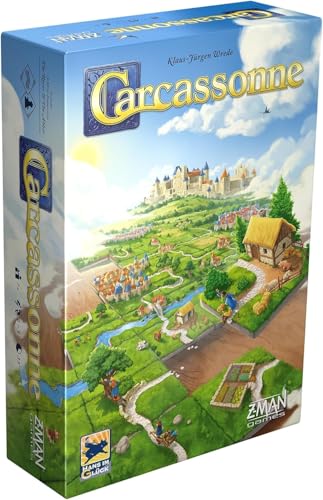
Carcassonne develops the play area as people place landscape tiles and use meeples to claim features. The growing map creates a different visual focus from Azul’s personal walls. Its two-to-five-player range and listed minimum age of seven make it worth considering for a household that wants a shared board taking shape between turns.
The identified box includes the River and Abbot mini-expansions, but extra content does not need to be introduced immediately. Learning the base structure first can keep the gift approachable. Allow space for the expanding landscape, and distinguish an inviting tile placement from the fuller decisions involved in scoring roads, cities, and other features.
Pros
- Landscape grows across a shared play area
- Meeple placement adds decisions beyond matching tiles
- Five-player support fits a larger table
- Randomized tiles vary each game
- River and Abbot mini-expansions are listed in the box
Cons
- Growing map needs table space
- Final scoring adds complexity to the first teach
A family that likes creating something visible together may find Carcassonne easier to picture in its routine than an abstract token economy. The gift still invites competition, so frame the first session around learning the landscape rather than expecting a frictionless shared craft activity.
To buy this product, click here.
4. Pandemic Base Game — Best for Cooperative Play

Pandemic changes the emotional shape of a game night because the table works toward a shared result. Specialist roles contribute different abilities while the group responds to outbreaks and manages progress toward cures. The selected base game is standalone, with two to four players, a listed age of eight and up, and a 45–60-minute reference time.
Cooperation is not the same as letting one person solve every turn. An experienced relative can unintentionally direct the entire table, leaving others to move pieces. This is a better gift when the family is willing to discuss decisions and share the planning, and when the disease-outbreak theme is comfortable for the household.
Pros
- Players work toward a shared win
- Specialist roles divide useful abilities
- Changing outbreaks create a common puzzle
- Base-game format is standalone
- Four-player support suits a focused family group
Cons
- One experienced player can dominate group decisions
- Outbreak theme may not suit every household
Pandemic fits relatives who enjoy tackling a common problem more than beating one another. When giving it, invite everyone to own a role and speak during decisions; that intention supports the kind of family time the cooperative format is meant to create.
To buy this product, click here.
5. Kingdomino — Best for a Smaller Spatial Strategy Gift

Kingdomino turns terrain dominoes into personal kingdoms, with drafting choices affecting what can be built. It offers a focused spatial activity for two to four players, with a listed minimum age of eight. The original standalone game is the selection here, so it does not require another base game to make the gift usable.
Personal boards give each player a distinct construction to work on, while the shared selection still creates competition. Terrain matching is only part of the decision; scoring and placement need an explanation. It is most persuasive for a family interested in a compact strategic puzzle rather than a story, trivia challenge, or noisy party activity.
Pros
- Terrain dominoes create a spatial puzzle
- Personal kingdoms make building progress visible
- Drafting order adds a choice beyond placement
- Two-player support suits a parent and child
- Standalone original game avoids an expansion-only gift
Cons
- Four-player ceiling limits larger gatherings
- Spatial scoring still needs an initial explanation
Consider Kingdomino for a parent-and-child game slot or a smaller household that prefers building its own position. It can be a thoughtful complete present without a larger box, provided the family wants spatial choices rather than a conversation-led gathering game.
To buy this product, click here.
6. Splendor — Best for Resource Planning

Splendor builds its decisions around gem tokens and development cards that create continuing purchasing power. That progression gives a family something to plan across turns without requiring a long narrative. The listed two-to-four-player range, age ten and up, and roughly 30-minute session make its intended audience more specific than the phrase family game alone.
The open market lets people see opportunities and compete for them. That visibility can help explain decisions, but it does not remove frustration when someone else buys a wanted card. Choose it for people who enjoy an unfolding economy and timing their purchases, rather than for children expecting a character-led adventure.
Pros
- Gem tokens provide a tangible resource system
- Development cards build continuing purchasing power
- Open card market supports visible planning
- Limited action menu helps organize turns
- Two-player mode suits a smaller household
Cons
- Theme is more abstract than a story-led adventure
- Competition for cards can disrupt a planned strategy
Splendor is a suitable next game for a household that already enjoys thinking a few turns ahead. Ask whether that kind of planning is the attraction; the gift works best when the family wants the decisions, not merely a collection of colorful components.
To buy this product, click here.
7. CATAN Base Game — Best for Trading and Negotiation

CATAN puts conversation into the mechanics through resource trading. Gathering materials, building roads, and expanding settlements give those discussions a purpose beyond general party chatter. The selected base game is for three to four players, ages ten and up, with a listed 60–90-minute playtime, so it requires a more deliberate family game slot.
That player range is an eligibility condition, not a minor footnote. A two-person household cannot assume the standard base box fills its usual evening routine. Dice and other players also influence progress. A recipient who mainly enjoys quiet, predictable individual puzzles may prefer a different kind of strategy game.
Pros
- Trading encourages conversation between turns
- Resource collection supports settlement decisions
- Road and city building create a visible board
- Variable terrain changes the starting situation
- Base game gives a substantial standalone activity
Cons
- Standard base game is not for two players
- Longer session requires protected family time
Give CATAN when three or four relatives already enjoy bargaining, competition, and a longer session. It is a substantial activity gift when the group exists; without that group, even a well-known game can become an unopened promise of future family time.
To buy this product, click here.
8. Codenames, 2nd Edition — Best for Families With Teens

Codenames asks teams to interpret one-word clues across a shared word grid. A spymaster knows which cards the team wants, while guesses introduce tension and room for different associations. The selected second edition refreshes words and presentation, with four or more players and a listed age reference of fourteen and up.
Vocabulary, reading confidence, and cultural associations affect participation. That makes it a stronger choice for families with teens and adults who enjoy language than for a household centered on young children. Team play can include more people than a four-player strategy game, but it still needs willing clue-givers and people comfortable discussing uncertain guesses.
Pros
- Team structure supports group participation
- One-word clues invite creative connections
- Shared grid keeps the central puzzle visible
- Spymaster role rotates between rounds
- Second edition refreshes words and rulebook
Cons
- Reading and vocabulary affect participation
- Listed age 14+ is less suitable for younger children
Codenames is most personal as a gift for a family known for wordplay or lively discussion. Let different relatives take the clue-giving role over several rounds, rather than allowing the same confident adult to become the permanent center of the game.
To buy this product, click here.
9. Herd Mentality — Best for Larger Family Gatherings
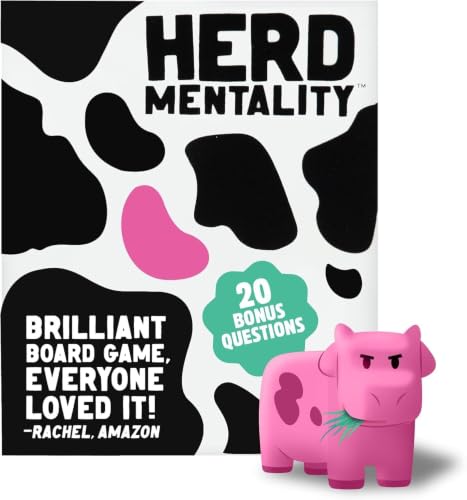
Herd Mentality serves a different occasion from a small-table strategy game. Its four-to-twenty-player range accommodates a larger gathering, and answering ordinary questions means the activity does not depend on specialist trivia expertise. Players try to think like the majority, making the group’s shared assumptions part of the entertainment. The listed minimum age is ten.
Knowing the group can influence how easily someone anticipates an answer. A new partner or relative visiting after a long absence may have a different experience from people who live together. The right family will enjoy discussing those differences without making an outsider feel that there is one correct way to belong.
Pros
- Larger player range fits family gatherings
- Simultaneous answers reduce waiting for a turn
- Everyday questions avoid specialist trivia knowledge
- Predicting the majority creates conversation
- Main-game format is distinct from expansion packs
Cons
- Needs at least four players
- Knowing the group can influence performance
For a holiday gathering with more people than a conventional board supports, Herd Mentality has a defined job. Present it as an invitation to join in, and choose a moment when the group actually wants a collective activity rather than interrupting existing conversations.
To buy this product, click here.
10. Do You Really Know Your Family? — Best for Conversation Between Relatives
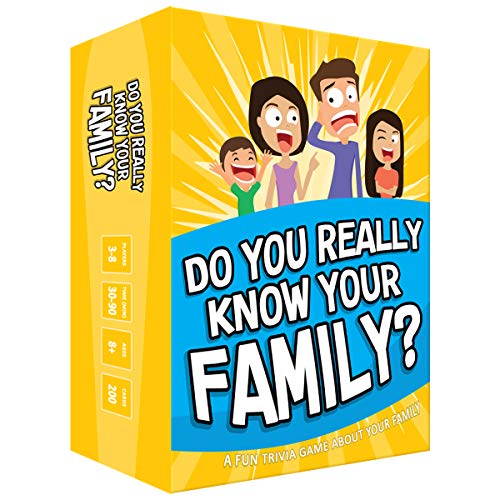
Do You Really Know Your Family? uses questions about the people playing and includes challenges, moving the focus away from mastering a board position. The selected family edition is listed for ages eight and up. It fits relatives who want an activity that creates openings for talking about themselves instead of relying on outside trivia knowledge.
Personal content is also the reason to be selective. Not every family enjoys answering questions or performing silly challenges in front of others. This is not a substitute for a strategic board game, and it should not be given as a disguised attempt to repair a difficult relationship through forced participation.
Pros
- Questions center on the actual family
- Conversation forms part of the activity
- Challenges add variety beyond factual answers
- No electronic setup is needed
- Age 8+ listing gives a clear minimum reference
Cons
- Personal questions require household comfort
- Not a substitute for a strategic board game
Choose this conversation-led option when the family already likes sharing stories and the mood is relaxed. Its value comes from making space to hear one another, so the giver’s judgment about boundaries matters more than a promise that the cards will create closeness.
To buy this product, click here.
11. Connect 4 Classic Grid — Best for One Adult and One Younger Player
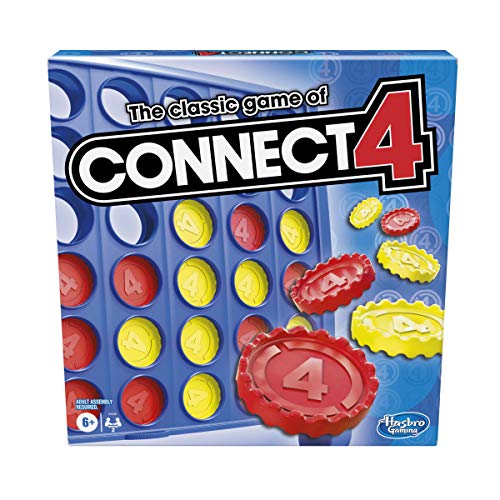
Connect 4 offers a concrete objective: place four matching discs in a row before the other player does. The classic grid is a two-player game listed for ages six and up. That gives it a clear family role when the most realistic shared time involves one adult and one child rather than everyone gathering at once.
Only two people participate directly in a contest. A larger family can rotate through a small tournament, but that is a different experience from a game involving everyone simultaneously. Its visible position and limited reading demands can make it a useful alternative to question decks without implying that every young player will enjoy direct competition.
Pros
- Four-in-a-row goal is concrete
- Visible grid supports following the position
- Two-player format suits one adult and one child
- Short individual contests suit a rotating family tournament
- No reading-heavy question deck is required
Cons
- Only two people play at once
- Competitive head-to-head format is not cooperative
A familiar-looking game can still be considered when it fills a genuine gap in the household. Connect 4 is most convincing for regular one-to-one play; add a promise of your own time, rather than describing the box as a complete solution for a crowded gathering.
To buy this product, click here.
12. Taco Cat Goat Cheese Pizza — Best Card Game for Short Rounds
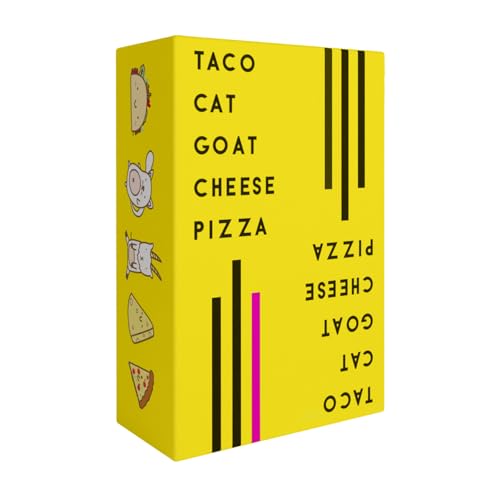
Taco Cat Goat Cheese Pizza is included as a card-game alternative, not misrepresented as a large board game. Matching spoken words to cards and reacting to the pile create an energetic activity for two to eight players, ages seven and up. Its short rounds provide a different purpose from settling into an hour-long strategy session.
The physical, fast-response format matters. Slapping at the pile can be unwelcome for someone who dislikes sudden hand movements or prefers a measured pace. It works as a deliberate travel or warm-up choice, but may feel too small for an occasion where the giver wants a substantial main household present.
Pros
- Small card format suits travel
- Eight-player support fits a larger group
- Word-card matching creates a clear central action
- Short rounds suit a game-night warm-up
- Action cards vary the sequence
Cons
- Fast hand-slapping format may not suit every participant
- Card game has less physical presence than a boxed board game
Use this card game to support a family’s existing preference for quick, lively play between other activities. For a major celebration, a boxed strategy game may carry the main gift role more naturally, while this remains a purposeful addition rather than filler.
To buy this product, click here.
Buying Guide
Count the People Who Normally Play
Shop for the recurring table, not the largest possible reunion. A two-player game can be valuable for a parent and child, while CATAN needs three or four in its selected base format. Large party games solve a separate need. Player-count mismatch is one of the simplest ways to make an otherwise appropriate gift unusable.
Use Age Ratings Alongside Reading and Interest
A documented minimum age is a starting point. Reading, patience for rules, and comfort with a theme still vary. Do not assume adult supervision makes an older-rated game an appropriate present for a younger child. Ask a caregiver about the child’s current favorites rather than promising learning or developmental outcomes.
Choose the Interaction the Family Enjoys
Negotiation, shared problem-solving, word association, and rapid reactions create different evenings. Think about what the family finds enjoyable when it disagrees. A cooperative game still involves decisions and frustration; a party game still requires comfortable participation. Match the mechanism to the people instead of using popularity as the only criterion.
Check the Exact Box Before Ordering
Base games, expansions, travel editions, and refreshed editions can sit together on one listing. The selection should be playable with the contents being purchased. Confirm the exact box and what the family already owns. Extra components are valuable only when they add a game the recipients actually want to learn.
Give the Game a First Occasion
Time is part of making an activity gift useful. Offer a realistic evening, a clear table, or help learning the rules if the family wants it. Our discussion of what people remember about gifts is relevant here: the experience around an object can carry much of its personal meaning.
FAQ
What is the safest starting point when I do not know the family’s collection?
Ask for one or two games they already enjoy and check for duplicates. Ticket to Ride offers a broad route-building direction, but no title is universal. Knowing whether they play with two people or a larger group is more useful than choosing solely by recognition.
Should I choose a cooperative game to avoid arguments?
A shared goal can change the competition, but it does not guarantee harmony. Pandemic works best when everyone contributes and an experienced player avoids directing every decision. Give it to a group interested in collaboration, not as a remedy for family conflict.
Can a card game be a complete family gift?
Yes, when the family specifically values portable or short games and the occasion suits a smaller present. Identify it clearly. For a significant household milestone, consider whether a more substantial requested game or an agreed group contribution better matches the relationship.
Are the listed playing times exact?
No. They are useful references for the selected games, not guarantees about a first session. Reading rules, teaching, interruptions, and player decisions can extend the time. Avoid introducing a longer strategy game when the family has only a few minutes before another commitment.
Is a game with a higher minimum age automatically better for adults?
No. Minimum ages do not rank strategic depth or entertainment value. Adults may enjoy an accessible spatial game, while a word game can be demanding because of vocabulary rather than complex rules. Choose the challenge the recipients want.
Should I open and organize the game before giving it?
Usually it is better to preserve the recipient’s choice about opening and returns. A separate note offering to help learn the rules is enough. Do not assume that removing seals, mixing components, or combining expansion boxes will be welcomed.
Final Verdict
Ticket to Ride is the Best Overall family gift in this selection when the household wants a substantial standalone game for two to five players. Its route-building structure gives the group a clear activity, while the age and time requirements remain specific enough to judge before buying.
Pandemic is the alternative for a willing cooperative group; Herd Mentality serves a larger gathering. For regular one-to-one time with a younger school-age player, Connect 4 may be the more useful present. The right choice is the one that includes the intended people in an evening they would actually enjoy.