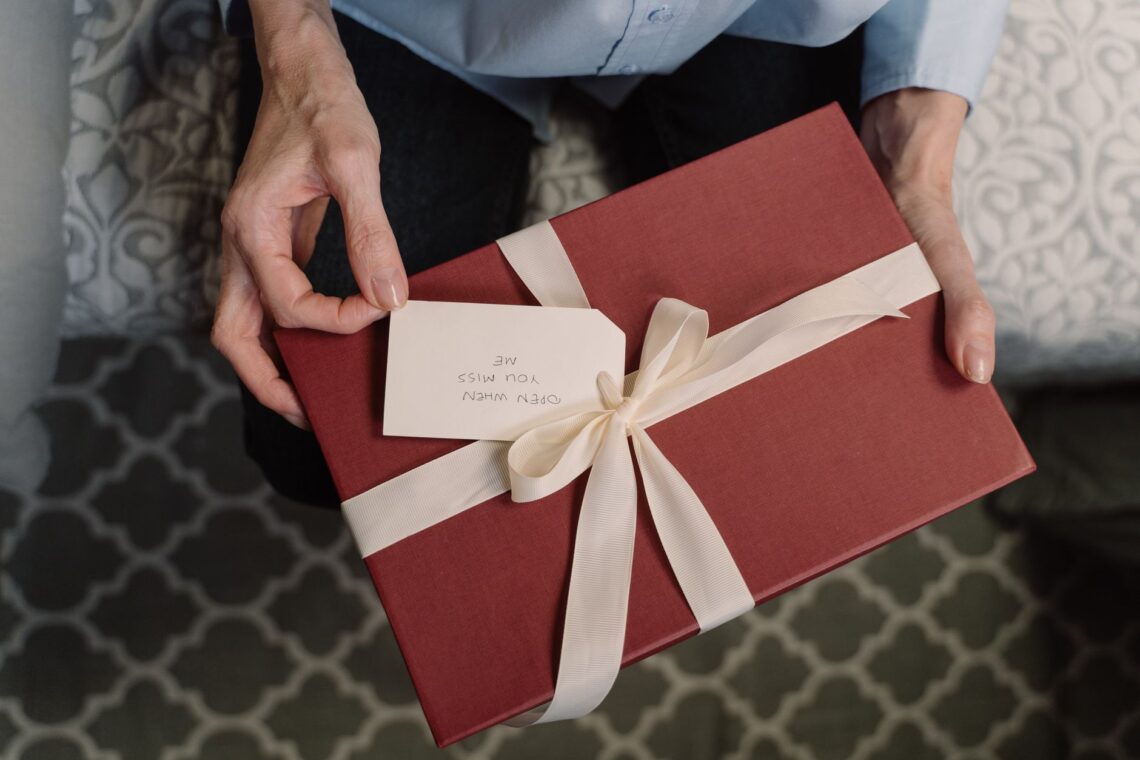
When the goal is to give something personal, the best ideas usually are not the most expensive ones. They are the ones that quietly say, I notice you, I remember you, and I thought about what would feel like you. That is why sentimental gift ideas for close friends and family often feel more meaningful than a bigger purchase chosen in a hurry.
Sentimental gifts work because they connect to a relationship, not just an occasion. A close friend may appreciate a custom print of the place you first met. A parent may value a framed photo more than a fancy gadget. A sibling might hold onto a simple keepsake for years because it captures a shared memory better than any store-bought trend.
If you are trying to choose something heartfelt, the key is to think less about what looks impressive and more about what feels personally understood. The most successful sentimental gifts often reflect a memory, an inside joke, a family tradition, or a detail only the two of you would recognize.
What makes a gift feel sentimental
A sentimental gift usually does one of three things. It brings back a memory, it symbolizes a relationship, or it shows that you paid attention to something specific about the person. That emotional connection is what makes the gift linger in someone’s mind long after the day has passed.
For close friends and family, sentiment often matters because the gift becomes part of the shared story. A handwritten note tucked into a simple present can mean more than the present itself. A small object connected to a favorite trip, childhood tradition, or family saying can feel deeply personal because it carries meaning that money alone cannot create.
This is also why sentimental gifts are not always elaborate. In many cases, the strongest gifts are the ones that feel intimate and honest rather than polished or grand.
Sentimental gift ideas for close friends and family
The ideas below work best when you tailor them to the person’s personality and your relationship. You do not need to copy them exactly. Small adjustments often make the gift feel much more thoughtful.
1. A framed photo with a handwritten note
This is one of the simplest sentimental gift ideas for close friends and family, and it works because it combines memory with language. The photo captures a moment, while the note explains why it matters to you. That extra explanation often turns an ordinary picture into something worth keeping.
For a parent, you might choose a family photo from a holiday or milestone. For a friend, a candid picture from a trip or celebration can feel more personal than a posed shot. The note does not need to be long. A few honest sentences are usually enough.
2. A custom map of a meaningful place
A map print of where you met, grew up, got married, or took a memorable trip can be surprisingly moving. It gives shape to a memory without needing a lot of explanation, which is part of its charm. Many people like these gifts because they feel symbolic without being overly dramatic.
This works especially well for siblings, partners, and lifelong friends. If the place has a story attached to it, the gift becomes more than decor. It becomes a reminder of a chapter in your shared history.
3. A personalized recipe book
For families, few gifts feel more rooted in memory than shared food. A recipe book filled with family favorites, handwritten recipes, and little notes about who made what can become a keepsake that gets passed around and used. It is especially meaningful when it preserves recipes that might otherwise live only in one person’s memory.
You can make it even more personal by adding short stories. For example, note who always made the holiday cookies or when a certain dish appeared at birthdays. Those details help the book feel like a family archive instead of just a collection of instructions.
4. A memory jar filled with notes
A memory jar is a small but thoughtful way to show appreciation. You fill a jar with short notes, each one recalling a shared memory, a quality you admire, or a reason you are grateful for the person. Because the notes can be opened one at a time, the gift keeps giving long after the first moment.
This is especially nice for a close friend going through a stressful period or a family member who appreciates words more than objects. It costs little, but it feels intentional because it requires reflection.
5. A custom piece of jewelry or accessory with meaning
Personalized jewelry can be sentimental when the design reflects a relationship rather than just a style preference. Initials, birthstones, coordinates, or a short engraved message can all make the piece feel more connected to the recipient’s life. For many people, the engraving matters more than the item itself.
This type of gift works best when the person already wears jewelry often or likes meaningful accessories. A delicate bracelet for a sister, a pendant for a mother, or a keychain with engraving for a friend can all feel thoughtful if the design suits the person’s taste.
6. A photo book that tells a story
A photo book is more powerful than a single framed image because it lets you show a relationship over time. You might include school years, family holidays, trips, birthdays, or casual moments that mean something to both of you. The story matters because it shows continuity, not just a single event.
This is a strong choice for parents, grandparents, long-distance friends, or anyone who values memory keeping. The emotional effect often comes from seeing ordinary moments collected in one place. That makes the gift feel personal and thoughtful without needing a large budget.
7. A blanket, pillow, or home item with family significance
Practical gifts can still be sentimental when they carry the right meaning. A blanket with a special date, a pillow printed with handwriting from a loved one, or a kitchen item tied to a family tradition can bring warmth in both a literal and emotional sense. People often appreciate these gifts because they fit into daily life.
These gifts tend to work well for parents, grandparents, and close relatives who enjoy comfort and familiarity. The key is choosing something that blends usefulness with memory rather than looking purely decorative.
8. A letter paired with a small keepsake
If you are unsure what to buy, start with a letter. A sincere message can be the most sentimental part of the gift, and pairing it with a small keepsake gives the person something tangible to hold onto. This approach is especially effective when you want the gift to feel deeply personal but not overly elaborate.
The keepsake could be something simple, like a bookmark, a charm, a small framed quote, or an object connected to a shared memory. The letter explains the meaning; the keepsake makes it physical.
9. A custom calendar with family or friendship moments
A calendar can be sentimental when each month includes a photo, quote, birthday, or memory that matters to the recipient. It is practical, but it also creates small moments of recognition throughout the year. That repeated reminder can make the gift feel more present than a one-time present.
For a parent or grandparent, a calendar filled with grandchildren photos is often especially appreciated. For a friend, you might include pictures from trips, group dinners, or shared celebrations.
10. An experience tied to a shared memory
Sometimes the most sentimental gift is not an object but a planned experience that echoes something you already enjoyed together. You might revisit a favorite restaurant, book a class related to a shared hobby, or plan a day around something that reminds you of a trip or tradition. The sentiment comes from continuity.
This works well for people who value time together more than physical items. It can be a nice choice for adult siblings, best friends, or parents who would rather make a new memory than receive another thing for the house.
How to choose a sentimental gift without overthinking it
A good sentimental gift usually starts with one question: What do I want this gift to say? Do you want it to say thank you, I remember, I miss you, I appreciate you, or we have been through a lot together? Once you know the message, the right format becomes easier to see.
It also helps to think about what the person actually keeps. Some people love displayed items. Others prefer practical keepsakes they can use every day. If the recipient dislikes clutter, a meaningful letter or experience may be better than another decorative object.
Another useful question is whether the gift reflects their memories or your memories. The best sentimental gifts usually honor both. They should make the recipient feel seen, not just remind them of something meaningful to you.
Practical vs sentimental gifts
Many of the best gifts sit somewhere between practical and sentimental. This table can help you decide which direction to lean.
| Type of gift | Best for | Why it works | Possible downside |
|---|---|---|---|
| Practical gift | People who like useful items and simple preferences | Fits everyday life and gets used often | Can feel impersonal if chosen without thought |
| Sentimental gift | People who value memory, meaning, and symbolism | Creates emotional connection and lasting keepsake value | Can feel too personal if the relationship is still new |
| Hybrid gift | Most close friends and family members | Combines usefulness with emotional meaning | Requires a little more thought to balance both sides |
How to personalize a sentimental gift well
Personalization works best when it feels specific, not decorative for its own sake. A name printed on an item is nice, but a detail tied to the relationship usually feels stronger. Think of shared places, private jokes, traditions, favorite phrases, or important dates.
For example, if your sister always says a certain phrase, using it in a small engraving or note can make the gift feel immediately familiar. If your father taught you a skill, you might pair the gift with a message about that lesson. Personalization works because it shows attention, not just customization.
Try to keep the tone sincere. Overly ornate wording can make a sentimental gift feel less genuine, while a simple message often lands better.
Common mistakes to avoid
- Choosing something sentimental only because it looks sentimental. A heart-shaped object is not automatically meaningful if it has no connection to the person.
- Overloading the gift with too many details. One clear memory is often stronger than five crowded references.
- Ignoring the recipient’s style. A deeply personal gift still needs to fit their taste, home, or lifestyle.
- Making the gift about proving effort. The point is not to show how much time you spent. The point is to show that you understand them.
- Using sentiment to cover for poor fit. A meaningful message does not fully rescue a gift the person will never use or enjoy.
When a sentimental gift is especially appropriate
Sentimental gifts often work well for birthdays, anniversaries, retirements, graduations, and holidays that already encourage reflection. They are also a good choice after a major life change, such as a move, a new baby, a wedding, or the loss of a family routine. In those moments, people often appreciate gifts that acknowledge what matters most to them.
For close friends, sentimental gifts can also be a way to mark years of friendship or to honor a hard season you went through together. For family, they can reinforce belonging. That sense of being remembered is often what makes the gift unforgettable.
FAQs about sentimental gift ideas for close friends and family
What makes a sentimental gift feel thoughtful instead of generic?
A sentimental gift feels thoughtful when it reflects a real memory, habit, story, or trait specific to the recipient. Generic gifts tend to look personal on the surface, while thoughtful ones connect to something only close to the relationship would reveal.
Are sentimental gifts better than practical gifts?
Not always. Some people value usefulness more than emotion, while others prefer keepsakes that hold meaning. The best choice depends on the person. In many cases, a gift that is both useful and personal is the safest and most appreciated option.
What if I do not have a big budget?
Sentimental gifts can be very affordable. A handwritten letter, a small photo frame, a memory jar, or a simple photo book can carry more meaning than a costly item. Effort and specificity matter more than price for many people.
How do I make a sentimental gift feel natural?
Keep it honest and specific. Use details that feel true to your relationship, and avoid language or designs that seem forced. A calm, personal message usually feels more genuine than something overly polished.
Choosing meaning over size
The best sentimental gift ideas for close friends and family usually share one thing in common. They make the person feel recognized. That recognition can come through a photo, a note, a memory, a place, or a small object that carries private meaning.
If you are torn between a few options, choose the one that tells the clearest story about your relationship. The most memorable gifts are often not the biggest or the flashiest. They are the ones that feel like they could only have come from you.