
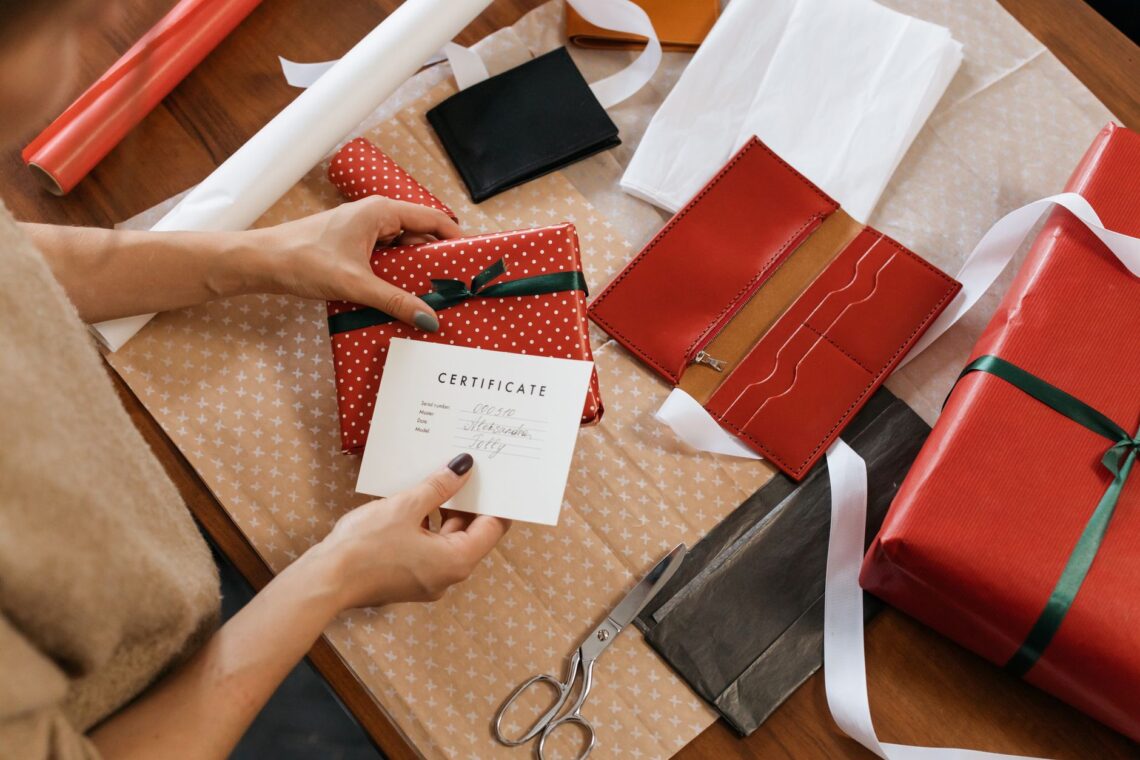
Some gifts get opened with a quick smile and a polite thank-you. Others get held for a second longer, turned over in the hands, and followed by that little pause that says, you really thought about me. That second reaction is what most people are after when they search for meaningful gift ideas that feel personal, because the goal is rarely just to hand over an item. It’s to make someone feel seen, remembered, and understood.
That’s why the best gifts usually are not the flashiest ones. A friend who always brings coffee from the same tiny café may care far more about a bag of that exact blend than an expensive gadget. A dad who talks about his fishing trips from twenty years ago might light up over a framed map of the lake where he used to go, while a coworker who is hard to read may appreciate something simple that quietly reflects their taste instead of a big, dramatic present.
Personal gifts work because they carry a bit of the relationship inside them. They say, I noticed. And when a gift does that well, it often feels more valuable than something with a higher price tag, which is exactly why thoughtful people keep looking for meaningful gift ideas that feel personal instead of generic.
What makes a gift feel personal in the first place?
A personal gift usually connects to one of four things: a memory, a habit, an identity, or a shared experience. That could be as obvious as a photo from a trip together, or as quiet as a notebook in the exact color someone always picks. The best version tends to match the person’s real life, not an imagined version of them that lives only in gift guides.
Think about the difference between buying a random candle and buying one that smells like cedar because the person loves weekend cabin trips. Or between a generic mug and one printed with the silly phrase your sister says every time she’s late. Both are small things, but one feels like it came from a person who pays attention, and that’s the part people remember.
Personal does not always mean custom-made
There’s a common trap here. People assume personal gifts have to be engraved, monogrammed, or handmade from scratch. Not true. A carefully chosen store-bought gift can feel deeply personal if it reflects something specific, like a favorite author, a beloved snack, a sports team, or a hobby they never shut up about in the best possible way.
A niece who loves baking might be thrilled by a beautiful set of measuring spoons if they match the vintage look she likes. A grandfather who reads every night may enjoy a book from a genre he already loves, especially if you tuck in a note about why it made you think of him. The personalization lives in the thought, not just the customization.
How to choose meaningful gift ideas that feel personal
The easiest way to narrow things down is to stop asking, “What’s impressive?” and start asking, “What would feel like them?” That shift changes everything. Instead of shopping from a general list, you start looking for clues in their routines, preferences, stories, and the little comments people make without realizing they’re giving you gift material.
Maybe your friend always steals the same throw blanket at your place. Maybe your mom mentions missing the garden she had years ago. Maybe your partner saves ticket stubs, takes too many photos of clouds, or keeps rewatching the same old movie on rainy Sundays. Those details are not random. They are breadcrumbs, and they often lead straight to a gift that feels much more thoughtful than anything grabbed in a hurry.
Look for the details people repeat
Repeated details are especially useful because they tend to reveal real preferences, not passing moods. If someone mentions a tea they love twice, that matters. If they keep talking about a trip, a pet, a recipe, or a childhood place, that matters too. The gift does not need to reference every part of their personality, just one thing done well.
For example, a friend who always orders the same herbal tea could appreciate a small tea sampler paired with a mug that matches her style. A brother who talks about vinyl records but never buys himself anything nice might love a record cleaner or a protective sleeve set. These are practical gifts, sure, but they also say, I’ve been listening.
Match the gift to the relationship
Personalized does not mean equally intimate in every situation. A romantic partner might appreciate something more emotionally layered, like a piece of art from a place you visited together. A teacher, neighbor, or new coworker may be better suited to a thoughtful but lighter personal touch, such as their favorite snack, a desk item in their preferred color, or a book related to a topic they enjoy.
That balance matters. A gift that feels too intense for the relationship can land awkwardly, while a gift that is too safe can feel forgettable. The sweet spot is usually somewhere in the middle, where the gesture feels attentive without crossing a line.
Meaningful gift ideas that feel personal by type
Different kinds of personal gifts work for different kinds of people. Some are memory-based, some are practical, and some are purely emotional. The best one often depends on how the person lives, what they enjoy, and how close you are.
Memory-based gifts
These work especially well when shared experiences matter. A framed photo from a favorite vacation, a map print of a meaningful city, or a small album of candid moments can feel surprisingly powerful because it brings a memory into daily view. These gifts often land well for anniversaries, birthdays, graduations, and milestones where the relationship itself is part of the celebration.
One daughter might turn family vacation photos into a compact photo book for her parents. Another person might give a friend a print of the concert venue where they first met their favorite band. The emotional pull comes from recognition, from that little jolt of, oh right, that happened to us.
Interest-based gifts
These gifts are built around what a person already loves. Think specialty coffee for a caffeine devotee, quality sketch supplies for someone who doodles constantly, or gardening gloves with a sturdy, comfortable fit for the friend who disappears into their backyard every weekend. These ideas work because they respect the person’s identity instead of trying to reinvent it.
A son who has recently gotten into cooking may appreciate a sharp chef’s knife more than a novelty kitchen gadget. A coworker who is always talking about running might prefer a hydration belt or a cozy recovery item after long races. The key is usefulness with a personal twist, which usually feels a lot more sincere than something random.
Comfort gifts
Some of the most personal gifts are also the simplest. A soft blanket in a favorite color, a candle with a familiar scent, or a pair of slippers that feel like a tiny luxury can be deeply meaningful when the person is stressed, tired, or going through a rough season. Comfort says, you deserve to rest, and that message can be incredibly kind.
These gifts are especially thoughtful for new parents, someone recovering from illness, a friend in a hard work stretch, or a grandparent who spends a lot of time at home. They are not flashy, but they can be wonderfully human.
| Gift type | Feels personal because… | Best for |
|---|---|---|
| Memory-based | It connects to a shared moment or story | Partners, family, close friends |
| Interest-based | It reflects a hobby or habit they already love | Most relationships, especially with practical people |
| Comfort gifts | It shows care during busy or difficult seasons | Parents, friends, new parents, older relatives |
| Custom gifts | It adds names, dates, photos, or a private joke | Close relationships, milestone occasions |
How to personalize a gift without making it cheesy
Personalization works best when it feels natural, not forced. A name or date can be lovely, but only if it belongs there. If the item itself is useful or beautiful, a small personal detail can make it memorable. If the customization is the whole point, it can start to feel a little clunky.
For instance, a leather bookmark with someone’s initials can feel elegant and understated. A mug covered in five inside jokes may be hilarious for a close friend and completely wrong for a colleague. The trick is to match the level of personalization to the tone of the relationship, which sounds obvious until you’re standing in a store wondering if this idea is sweet or just too much.
Good personalization ideas
- Names or initials on items they use often, like notebooks, wallets, or drinkware
- Important dates such as anniversaries, graduation dates, or a first home move-in date
- Shared photos in a frame, book, calendar, or keepsake box
- Inside jokes for people you know very well
- Favorite colors, scents, or materials that show you pay attention
What makes these ideas work is not the customization itself, but the signal behind it. It shows you know how the person moves through the world, what they notice, and what makes them smile. That’s the good stuff.
Common mistakes when trying to make a gift feel personal
One of the biggest mistakes is confusing personal with complicated. People spend hours trying to create something elaborate and end up with a gift that feels more like a project than a gesture. A simpler, well-chosen gift often lands better because it feels clean, intentional, and easy to enjoy.
Another mistake is focusing on what you would love instead of what the other person would actually use. A friend may adore minimal decor while you are tempted to buy a giant sentimental display piece. A parent may prefer something practical and quiet over something decorative. Personal gifts should reflect the recipient’s personality, not just your taste.
Avoid these pitfalls
- Buying something generic and calling it personal because it was expensive
- Over-customizing an item until it loses everyday usefulness
- Using a joke or reference that only barely fits
- Ignoring the recipient’s style, habits, or space
- Choosing a gift that is more about your own sentiment than their comfort
A gift can be heartfelt and still practical. In many situations, that combination is exactly what makes it stick. Someone may not display the present forever, but if they use it every week, the feeling behind it keeps resurfacing.
Simple examples of meaningful gift ideas that feel personal
Sometimes the easiest way to think is through real-life moments. A partner who has had a rough month might appreciate a cozy home-night package with their favorite snack, a movie, and a soft throw blanket. The value is not in the items themselves, but in the message that says, let’s make tonight easier.
Or take a parent who keeps mentioning an old hobby they never have time for anymore. A small starter kit, a class voucher, or one quality tool can feel deeply encouraging because it makes room for a part of their identity they may have set aside. That can be more touching than a big, expensive present that has no real tie to their life.
Another common scenario is a friend moving into a new apartment. Instead of a generic housewarming candle, you might choose a framed print from their favorite neighborhood, a cookbook tied to their family’s cooking style, or a practical kitchen item in the exact color palette they use. Suddenly the gift belongs to their life, not just the occasion.
When a small gift means more than a big one
It’s easy to assume that bigger budgets create bigger feelings, but that is often not how people remember gifts. A modest item can carry more emotional weight if it fits the person’s routines or story. A handwritten note tucked into a simple present can also transform the whole thing, because words often help the gift land the way you intended.
Picture a grandmother receiving expensive perfume she would never wear versus a small recipe notebook filled with family dishes and a note about how you want to keep those meals alive. The second one may cost less, but it speaks directly to who she is. That’s the kind of thoughtfulness people carry with them.
| Expensive gift | Thoughtful gift | Why the second often works better |
|---|---|---|
| High-end item with no personal connection | Simple item tied to a memory or habit | It feels specific, not just costly |
| Luxury purchase chosen in a rush | Smaller gift selected with care | Attention is easier to feel than price |
| Trendy item the person may not use | Something practical they use often | Daily use keeps the gesture alive |
FAQs about meaningful gift ideas that feel personal
What if I do not know the person very well?
Stick to safe personal signals like favorite snacks, a color preference, a useful desk item, or something connected to a hobby they mention often. You do not need a deeply sentimental gift to be thoughtful. A small, well-observed choice usually works better than trying too hard.
Can practical gifts still feel personal?
Absolutely. In fact, practical gifts often feel personal when they solve a problem the person already has. A commuter who always forgets headphones, a parent who loves tea, or a friend who needs better sleep might all appreciate something useful that clearly shows you noticed their routine.
Is it okay to give the same type of gift every year?
Yes, if the gift has a personal tradition behind it. Annual photo books, favorite treats, or a recurring hobby item can become meaningful because they create rhythm and familiarity. Repetition can be comforting when it is tied to a shared habit or memory.
Choosing with care matters more than getting it “right”
The nicest gifts are rarely the ones that impress the room. They are the ones that make the recipient feel quietly understood. That can look like a book from their favorite genre, a scent that reminds them of home, or a practical item chosen with unusual attention.
If you’re hunting for meaningful gift ideas that feel personal, the best question to keep returning to is simple: What would make this feel like it came from knowing them well? That answer usually leads to the right kind of gift, and that kind of gift tends to stay in someone’s memory long after the wrapping paper is gone.