A gift becomes more memorable when it feels like it was chosen for that specific person, not just for the occasion. That is why gifts that tell a personal story often stay with people longer than expensive but generic presents. They show that you noticed a detail, remembered a moment, or understood something about who the person is.
These kinds of gifts do not need to be elaborate. In many cases, the most meaningful ones are small, practical, or simple, but they carry a clear connection to a memory, a shared experience, or a part of someone’s life. That connection is what makes the gift feel personal.
If you are trying to choose a gift that feels more thoughtful than standard, the best approach is usually to look for something that reflects a relationship, a milestone, a hobby, or a meaningful memory. The goal is not to impress. It is to say, quietly and clearly, I know you.
What makes a gift tell a personal story?
A gift tells a personal story when it points to something real about the person receiving it. That might be a shared trip, a family tradition, a favorite place, a milestone, or even a small habit that makes them who they are. The story does not have to be dramatic. It just has to feel true.
For example, a framed photo from a favorite vacation says more than a random decorative item. A recipe book filled with family dishes says more than a standard kitchen gadget. A custom print of the neighborhood where someone grew up can feel more meaningful than something visually impressive but unrelated to their life.
What matters most is relevance. People usually remember gifts that reflect effort and attention, because those gifts feel like proof that the giver paid close attention to their life.
Why personal gifts often feel more meaningful
Thoughtful gifts do more than provide something useful or pretty. They create a feeling of being seen. That is part of why gifts that tell a personal story often leave a stronger impression than gifts chosen only for convenience.
There is also a simple emotional effect at work. When a gift connects to a memory or identity, the receiver does not just see the object. They also see the story behind it. A blanket tied to a family home, a charm from a memorable trip, or a notebook engraved with a favorite quote can bring back a whole feeling, not just a moment.
This is especially powerful for birthdays, anniversaries, graduations, retirements, and other milestones. In those moments, people are often reflecting on where they have been and who has been there with them. A gift with a personal story fits that mood naturally.
Types of gifts that tell a personal story
There are many ways to build a gift around a story. Some are sentimental, some are practical, and some are a little of both. The best choice depends on the person’s personality and how much they enjoy sentimental items.
| Gift type | Why it tells a story | Best for |
|---|---|---|
| Personalized keepsakes | They include names, dates, places, or shared details | Anniversaries, weddings, family gifts |
| Photo-based gifts | They preserve real moments and shared memories | Parents, grandparents, close friends |
| Custom maps or location gifts | They connect to where something important happened | Travel lovers, couples, people with hometown pride |
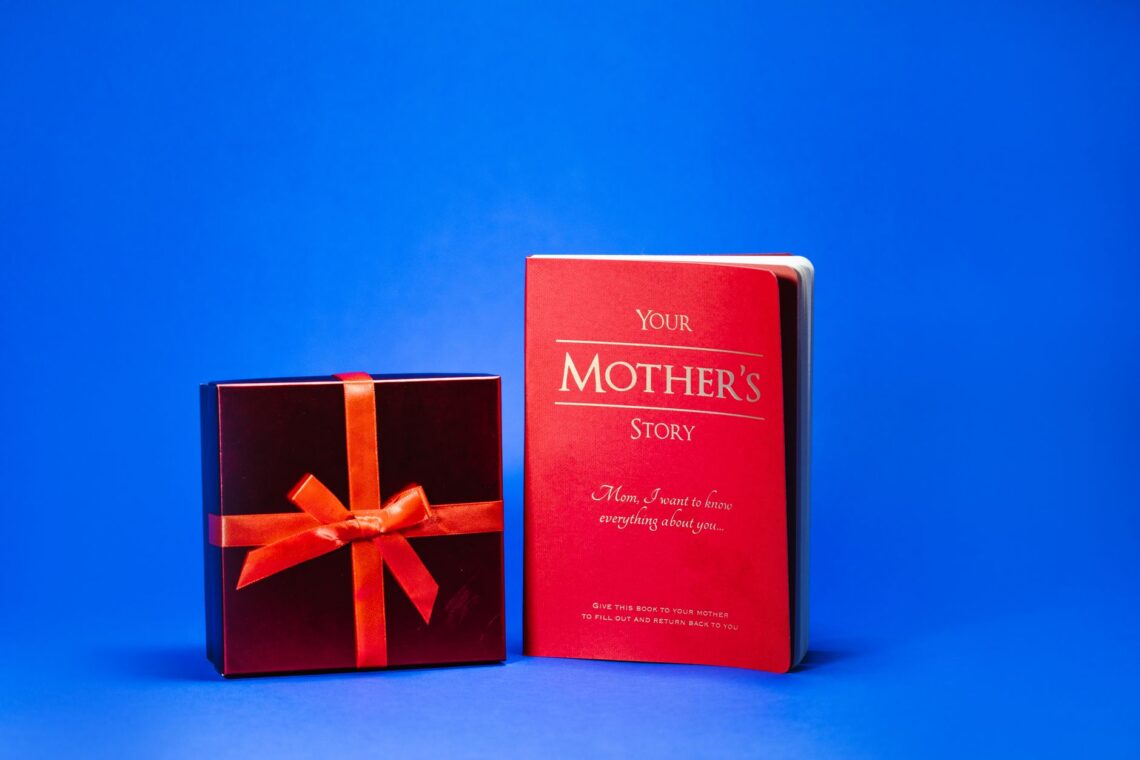
| Memory-based books or journals | They invite reflection on shared experiences | Family members, long-term friends, partners |
| Hobby-related gifts with a personal twist | They show attention to identity and daily life | People with strong interests or routines |
| Experience gifts tied to a memory | They extend a story instead of simply recording it | Couples, siblings, best friends |
Gift ideas that tell a personal story
1. A framed photo from a meaningful moment
A framed photo works because it makes a memory visible in everyday life. It can be a wedding photo, a picture from a family trip, a graduation moment, or even a candid image that means something to both of you. The emotional value is usually stronger when the photo captures a genuine moment rather than a posed one.
This gift is especially good for parents, grandparents, partners, and close friends. If you want to make it feel more personal, choose a frame that suits their home and add a short handwritten note explaining why you picked that image.
2. A custom map of a meaningful place
A map gift can tell a story about where something important began. That might be the city where a couple met, the town where someone grew up, or the location of a memorable trip. It is a simple idea, but it often carries a lot of emotional weight because places are tied to memory.
This kind of gift works well for people who like subtle, thoughtful décor. It is often better received when the place has an obvious connection to the relationship or milestone, so the meaning is easy to understand at a glance.
3. A recipe book filled with family favorites
A personalized recipe book can preserve family stories in a practical form. Each recipe becomes more than a set of instructions. It becomes a link to a person, a holiday table, or a way of cooking that has been passed down.
This is especially meaningful for parents, grandparents, or siblings who value tradition. You can make it even more personal by adding notes like “Grandma made this every Christmas” or “We always ate this after school games.” Those small details give the book its emotional depth.
4. Jewelry or accessories with symbolic details
Jewelry can tell a story when it is chosen for symbolism instead of just style. A birthstone, an engraved date, a charm that reflects a shared memory, or a pendant inspired by a meaningful location can all make the piece feel connected to a real chapter of life.
This works best when the symbolism is clear and not too forced. A small, thoughtful detail often feels more elegant than an item packed with too many references.
5. A photo book that follows a timeline
A photo book can tell the story of a relationship, a child’s growth, a family vacation, or a friendship across the years. Unlike a single framed photo, it gives more room to show progression and shared history.
This is a strong choice when you have a lot of memories to work with. It is especially nice for anniversaries, milestone birthdays, retirement gifts, or a parent’s special occasion. The key is choosing photos that show a clear story rather than simply filling pages.
6. A handwritten letter paired with a small object
Sometimes the most powerful story is told through words. A handwritten letter paired with a simple keepsake can feel deeply personal because it explains what the object means and why it matters.
For example, you might give a small compass with a note about someone who has always helped guide you, or a book with a message explaining why it reminded you of them. The letter gives the object context, and that context is what makes the gift memorable.
7. A custom illustration of a shared memory
An illustration can turn a favorite moment into something that feels both artistic and personal. It might show a house, a family gathering place, a pet, a wedding venue, or a meaningful vacation scene. Unlike a photo, an illustration can soften the memory into something decorative while keeping the emotional connection intact.
This works well for people who appreciate art or want something they can display at home without it feeling overly sentimental. It is often a good choice when you want the gift to be personal but still stylish.
8. A keepsake box for mementos
A keepsake box tells a story by giving someone a place to store their own memories. That might sound simple, but it can be surprisingly thoughtful. The gift says, in effect, your memories matter enough to keep.
This is useful for people who save ticket stubs, letters, small souvenirs, or family items. You can personalize it with an engraving, a meaningful date, or a message on the inside lid. That small detail often makes the box feel special without making it too ornate.
9. A hobby gift tied to a specific memory
A hobby-related gift becomes more personal when it connects to a story. A new sketchbook for someone who started drawing during a tough year, a coffee set for the friend who introduced you to weekend café visits, or a travel journal for a partner who loves road trips can all feel meaningful because they reflect how the person lives, not just what they like.
This approach works well because it shows attention to identity. You are not just acknowledging the hobby. You are recognizing the role it plays in the person’s life.
How to choose gifts that tell a personal story without overdoing it
Personal gifts work best when they feel sincere, not crowded with references. It can be tempting to add every possible detail, but too many symbols can make a gift feel busy or overly calculated. Usually, one strong connection is enough.
Think about the story you want the gift to tell. Is it about a place, a memory, a milestone, or a shared habit? Once you know that, choose the format that fits best. A photo suits a visual memory, a letter suits an emotional one, and a practical item with a personal touch suits an everyday story.
It also helps to match the gift to the person’s style. Some people love sentimental items on display. Others prefer subtle details that only they understand. A gift that tells a personal story does not have to announce itself loudly to be meaningful.
Questions to ask before buying
- What memory or detail do I want this gift to represent?
- Would this person enjoy something sentimental, practical, or both?
- Is the personal connection clear enough without me explaining too much?
- Will this gift fit naturally into their home, routine, or style?
- Does this feel specific to our relationship, or could it be given to almost anyone?
Common mistakes when choosing personal gifts
One common mistake is assuming that more personalization automatically means more meaning. In reality, a gift can become less thoughtful if it feels cluttered or too focused on the giver’s perspective. The best personal gifts usually highlight something the receiver values too.
Another mistake is choosing a memory that matters more to you than to them. A gift should feel mutual or at least relevant to the person receiving it. If the connection is too one-sided, it can miss the mark even if the idea was sincere.
It is also easy to forget about usefulness. A deeply sentimental gift can be lovely, but if the person has no place for it, it may become a burden instead of a comfort. For many people, the strongest gifts combine emotion with a real place in daily life.
Personal story gifts for different relationships
| Relationship | Personal story gift approach | Why it works |
|---|---|---|
| Parents | Family photos, recipe books, keepsake boxes | These often connect to family history and shared milestones |
| Partners | Custom maps, photo books, symbolic jewelry | They reflect the story of the relationship itself |
| Friends | Memory books, framed pictures, small items tied to inside jokes or trips | They celebrate shared experiences without feeling too formal |
| Grandparents | Photo books, handwritten letters, family tree-inspired items | They often value memory, legacy, and family connection |
| Coworkers | Subtle personalized items, location-based gifts, group memory keepsakes | They can feel thoughtful without becoming overly intimate |
| Children | Storybooks, memory boxes, custom items tied to a favorite place or family tradition | They help children feel part of a larger family story |
How to make a personal gift feel complete
The gift itself matters, but the presentation can strengthen the story. A short note, a photo, or even a simple explanation of why you chose it can make the meaning much clearer. Sometimes a gift needs just a few words to turn it from thoughtful to unforgettable.
If you are giving a photo, write when it was taken and why it matters. If you are giving a keepsake, explain the memory behind it. If you are giving something practical, say why it reminded you of them. Those little details help the person receive the gift the way you intended.
It can also help to keep the wrapping simple and intentional. A clean presentation often lets the meaning of the gift stand out. You do not need a dramatic reveal. You just need enough care that the person can feel the thought behind it.
When a simple gift is better than a highly personalized one
Not every relationship calls for a deeply personal gift. Sometimes a person is private, new to your life, or simply not someone who enjoys sentimental items. In those cases, a lighter touch is often better.
A gift can still tell a story without being highly customized. A favorite snack from a shared trip, a book that reminds you of a conversation, or a small item in their favorite color can all carry meaning without feeling too personal. The story can be quiet.
The real measure is not how elaborate the gift is. It is whether the person feels understood.
FAQ about gifts that tell a personal story
What makes a gift feel personal instead of generic?
A gift feels personal when it connects to the recipient’s life in a clear way. That connection might come from a memory, a milestone, a shared experience, or a detail about their identity or routine.
Do personalized gifts always need names or dates on them?
No. Names and dates can help, but they are not required. A gift can feel personal through imagery, symbolism, or the story behind it. In many cases, the meaning matters more than visible customization.
Are personal story gifts only for close relationships?
They work best for close relationships, but not only for those. A thoughtful gift for a teacher, coworker, or neighbor can still carry a story if it reflects a shared experience or a specific moment of appreciation.
What if I do not have many shared memories to work with?
You can still choose a personal gift by focusing on the person’s interests, background, or current life stage. A meaningful gift does not have to rely on years of shared history. It just needs to show that you paid attention.
Choosing meaning over excess
The best gifts that tell a personal story are usually not the most expensive ones. They are the ones that make the recipient feel recognized. A small object with the right memory attached can mean far more than something bigger and more polished.
If you focus on one honest connection, you will usually end up with a better gift. That connection might be a place, a family tradition, a favorite routine, or a moment you both still remember. When a gift reflects that kind of detail, it feels less like a purchase and more like a message.