
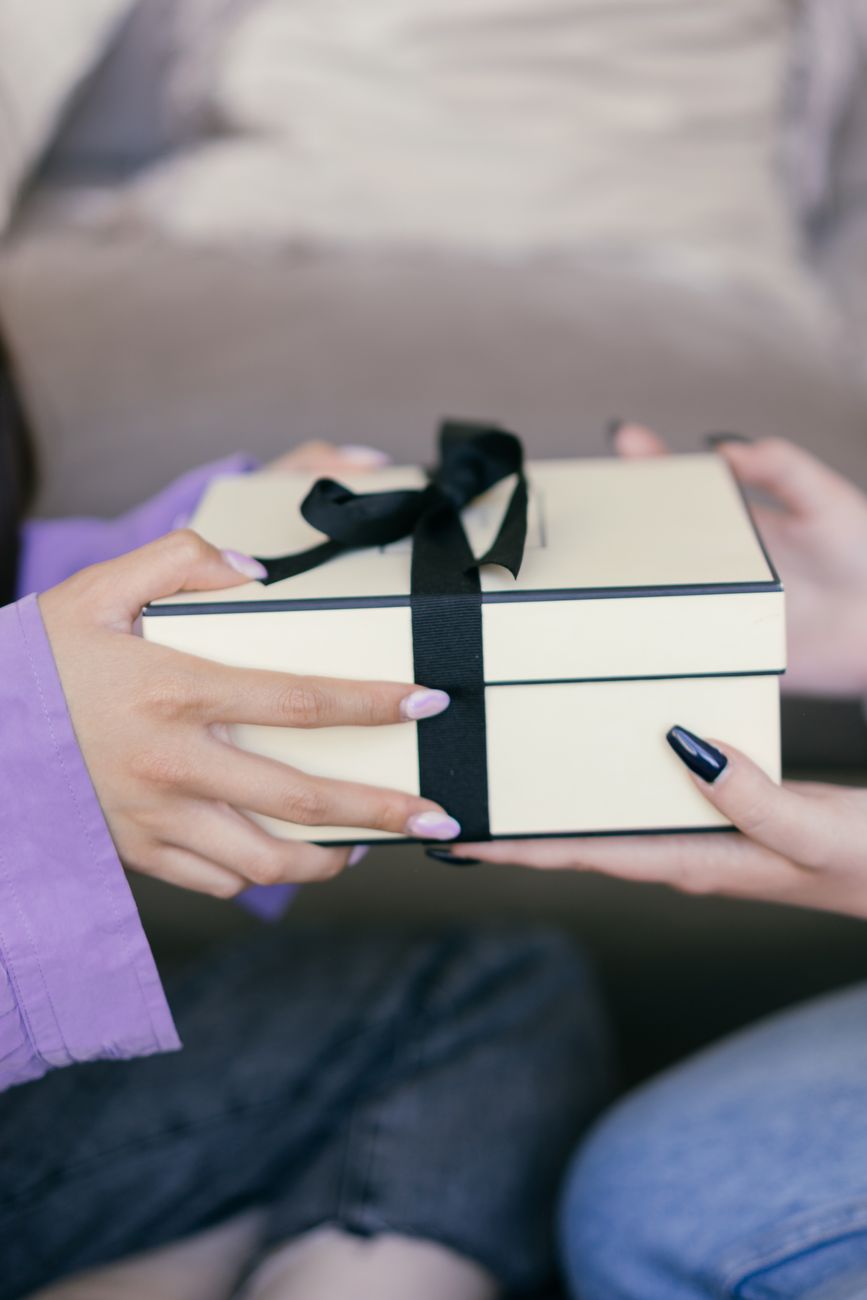
Some gifts are opened, admired for a moment, and forgotten by the next week. Others seem to fit the person so well that they feel noticed, understood, and appreciated. The difference usually is not price. It is how well the gift matches the person, the relationship, and the reason you are giving it.
If you are trying to figure out how to choose gifts people genuinely appreciate, the best place to start is not with the item itself. Start with what the gift is supposed to say. A thoughtful present can say, “I pay attention to you,” “I remember what matters to you,” or “I wanted to make your life a little easier.” Those messages tend to matter more than novelty or expense.
The trick is learning to notice what kind of appreciation the other person is most likely to feel. Some people value usefulness. Some care most about sentiment. Many appreciate a little of both. Once you understand that, gift choices become much easier and far less stressful.
What people usually appreciate in a gift
Most people respond positively to gifts that fit at least one of three needs: practical value, emotional connection, or personal recognition. A useful gift solves a real problem. A sentimental gift reminds someone they are known. A personalized gift shows that you paid attention to details that matter to them.
This is why a simple gift can feel better than an expensive one. A good book for a reader, a cozy blanket for someone always cold, or a framed photo from a meaningful trip can all land more deeply than something generic. The recipient does not just see the object. They see the thought behind it.
The three things people remember most
- Relevance: Does this fit their daily life, taste, or current season?
- Effort: Did you choose it with them in mind, or could it have gone to anyone?
- Meaning: Does it connect to a memory, hobby, need, or shared experience?
When a gift scores well in even two of these areas, it is often received warmly. When it scores well in all three, it usually feels especially thoughtful.
Start with the person, not the occasion
A birthday, holiday, graduation, or thank-you gift does shape the tone, but the recipient matters more than the calendar. Two people can receive the same event-based gift and react very differently. One may love a fancy candle, while another would prefer practical kitchen towels or a restaurant gift card.
Before buying anything, ask yourself a few simple questions: What do they spend time on? What do they complain about? What do they enjoy treating themselves to, but rarely buy? Those answers often point to better gifts than generic online lists ever will.
Questions that reveal better gift ideas
- What does this person enjoy doing on an ordinary day?
- What would make their routine easier or more comfortable?
- What have they mentioned wanting, but not bought for themselves?
- What do they seem proud of, interested in, or emotionally connected to?
- What kind of gift would feel natural coming from you specifically?
That last question matters more than many people realize. A coworker, sibling, partner, or parent may appreciate different things from you because the relationship itself changes the meaning of the gift.
Match the gift to the relationship
The same gift can feel warm in one relationship and awkward in another. A handmade present from a close friend may feel charming. The same item from someone you barely know could feel too personal. Choosing well often means understanding the right level of intimacy.
| Relationship | What usually works well | Why it tends to be appreciated |
|---|---|---|
| Close family | Useful items, shared memories, comfort gifts | These often feel warm and personal without needing much explanation |
| Friends | Interest-based gifts, inside jokes, experience gifts | They reflect shared history and a sense of ease |
| Romantic partner | Personalized gifts, experiences, thoughtful everyday items | They can reinforce intimacy and attention to detail |
| Coworkers | Neutral, useful, or consumable gifts | These feel considerate without crossing boundaries |
| Teachers or neighbors | Practical treats, gift cards, food, flowers, small thank-you items | These show appreciation in a respectful, low-pressure way |
A thoughtful gift does not need to be deeply personal to be meaningful. Sometimes the most appreciated present is simply the one that fits the relationship comfortably.
Choose between practical and sentimental gifts with intention
Many of the best gifts sit somewhere between practical and sentimental. If you are unsure which direction to take, think about the recipient’s personality. Some people feel loved when a gift makes life easier. Others feel loved when a gift reflects memory or emotion.
| Gift type | Best for | Why it works | Possible downside |
|---|---|---|---|
| Practical | People who value usefulness and simplicity | It gets used often, which keeps the gift relevant | Can feel impersonal if chosen without care |
| Sentimental | People who enjoy memory, symbolism, or keepsakes | It creates emotional connection | May not be useful in everyday life |
| Hybrid | Most recipients | It combines function and feeling | Requires a little more thought to get right |
Hybrid gifts often work especially well because they solve a real need while still feeling personal. A monogrammed travel bag, a favorite snack box paired with a handwritten note, or a quality mug that matches someone’s morning routine can strike that balance nicely.
Pay attention to what the person already values
People often appreciate gifts that support an existing identity. A runner may value gear that improves comfort or recovery. A home cook may appreciate a tool that saves time in the kitchen. A new parent may care far more about rest and convenience than decorative items.
This is one reason generic gifts sometimes fall flat. They do not connect to how the person sees themselves. When a gift reinforces identity, it feels less like an object and more like recognition.
Good signs you have found the right direction
- The person has mentioned the item, category, or problem before.
- The gift fits a habit they already have, not one you wish they had.
- It would likely be used more than once.
- It seems to reduce effort, stress, or clutter rather than add to it.
That last point is worth keeping in mind. Even a lovely gift can feel burdensome if it creates more work or space than the recipient wants.
Think about timing and life stage
People appreciate different things depending on what is going on in their lives. A college student, a retiree, a new homeowner, and a grieving friend may all need very different kinds of support. A good gift often reflects the moment as much as the person.
For example, someone recovering from an illness may appreciate comfort and convenience. Someone starting a new job may appreciate organization or confidence-building items. Someone celebrating a milestone may appreciate something that marks the achievement without feeling overly formal.
This is where many gifts become more memorable. They show that you noticed not only who the person is, but also what they are dealing with right now.
Use personalization carefully
Personalized gifts can feel very meaningful, but only when the personalization is genuinely relevant. A name, date, favorite quote, or shared memory can make a gift feel one of a kind. Still, not every item needs to be customized, and too much personalization can sometimes feel forced.
The best personalization usually highlights something the recipient already loves. A custom print of a place that matters to them, a recipe card in a parent’s handwriting, or a piece of jewelry with a meaningful date can feel special because it points to a real connection.
Good personalization adds meaning, not clutter
- Choose a detail the person would recognize instantly.
- Keep the design simple enough to use or display easily.
- Avoid inside jokes or references unless you are sure they will appreciate them.
- Make sure the personalization fits the recipient’s taste, not just the giver’s idea.
Common mistakes that make gifts feel less thoughtful
Many disappointing gifts are not bad because of the item itself. They are disappointing because they send the wrong message. A gift that feels rushed, random, or overly generic can suggest that little thought went into it, even if money was spent.
One common mistake is buying what is convenient for you rather than what suits them. Another is choosing something trendy without considering whether the person would actually use it. People usually notice when a gift feels selected from a shelf instead of chosen for them.
Gift mistakes to avoid
- Buying size-specific items when you are not sure about fit or preference.
- Choosing overly niche humor that only makes sense to the giver.
- Assuming expensive means thoughtful without any personal relevance.
- Ignoring practical needs in favor of visual appeal alone.
- Giving clutter to someone who prefers simplicity or limited space.
Avoiding these mistakes often matters more than finding a “wow” item. Thoughtfulness usually shows up in restraint, not excess.
How to choose gifts people genuinely appreciate for different personalities
Some people are easy to shop for because they talk openly about what they like. Others are harder to read. In those cases, personality clues can help you decide what kind of gift will feel right.
- The practical person: Chooses items they will use often. Focus on quality, simplicity, and usefulness.
- The sentimental person: Appreciates memory-based gifts, handwritten notes, and keepsakes.
- The hard-to-shop-for person: Often does best with consumables, experiences, or flexible options.
- The hobby-focused person: Likes gifts that support a specific interest, but only if the item is actually useful to their level of experience.
- The minimalist: Usually prefers fewer, better things, or something that gets used up.
For hobby gifts, it helps to avoid beginner-level assumptions. Someone serious about photography, gardening, baking, or cycling may already own basic tools. In those cases, a thoughtful upgrade or accessory often lands better than a novelty item.
Budget matters less than clarity
A modest gift can feel much better than an expensive one if it is clearly chosen with care. People generally appreciate gifts that fit their real preferences more than gifts that simply look costly. That is good news, because it means you can be thoughtful without overspending.
If your budget is limited, focus on one clear idea instead of trying to cover every angle. A well-chosen small gift with a kind note often feels more genuine than several random items bundled together. Clarity helps the gift feel intentional.
Simple ways to make a smaller gift feel more thoughtful
- Wrap it neatly or present it in a clean, attractive way.
- Add a short note that explains why you chose it.
- Include something consumable or useful so it does not become clutter.
- Connect it to a memory, preference, or recent conversation.
When an experience gift makes more sense
Sometimes the best gift is not an object at all. Experience gifts can be especially appreciated by people who value time, memories, or low-clutter living. A meal out, a class, museum tickets, a concert, or a planned day together can feel more personal than a physical item.
Experience gifts work best when they match the recipient’s interests and schedule. They are not always ideal for very busy people or for situations where planning would create stress. But when chosen well, they often feel generous in a quiet, lasting way because they create shared memory.
A simple way to decide before you buy
If you are still unsure, use this short filter. First, ask if the gift is relevant to the person’s life right now. Then ask if it reflects something real about who they are. Finally, ask whether it would feel comfortable coming from you in this relationship.
If the answer is yes to all three, you are probably close to a gift they will genuinely appreciate. If not, keep looking for something simpler and more specific. Often the best choice is the one that feels obvious once you see it, because it fits so well.
FAQs
What makes a gift feel genuinely thoughtful?
A gift feels thoughtful when it shows that you noticed something real about the person. That could be a need, a habit, a memory, or a preference. The most thoughtful gifts often feel specific rather than expensive.
Are practical gifts appreciated less than sentimental ones?
Not usually. Practical gifts are often very appreciated, especially by people who value usefulness or simplicity. They become even better when they are chosen with the recipient’s taste and routine in mind.
What if I do not know the person very well?
Choose something neutral, useful, or consumable. Gift cards, quality snacks, simple self-care items, or general-purpose home items often work well when you do not have much personal information to go on.
Is it better to buy one nice gift or several small ones?
Either can work. One nice gift is often better if it clearly matches the person. Several small items can work if they form a clear theme, such as a tea set, movie night bundle, or relaxation kit.
Choosing well is mostly about paying attention
The most appreciated gifts usually are not the flashiest ones. They are the ones that feel like they came from noticing, remembering, and caring. When you focus on the person’s habits, preferences, and situation, you start making better choices with far less guesswork.
That is the real skill behind how to choose gifts people genuinely appreciate. Not finding the most impressive item, but finding the one that quietly says, “I know you.”