
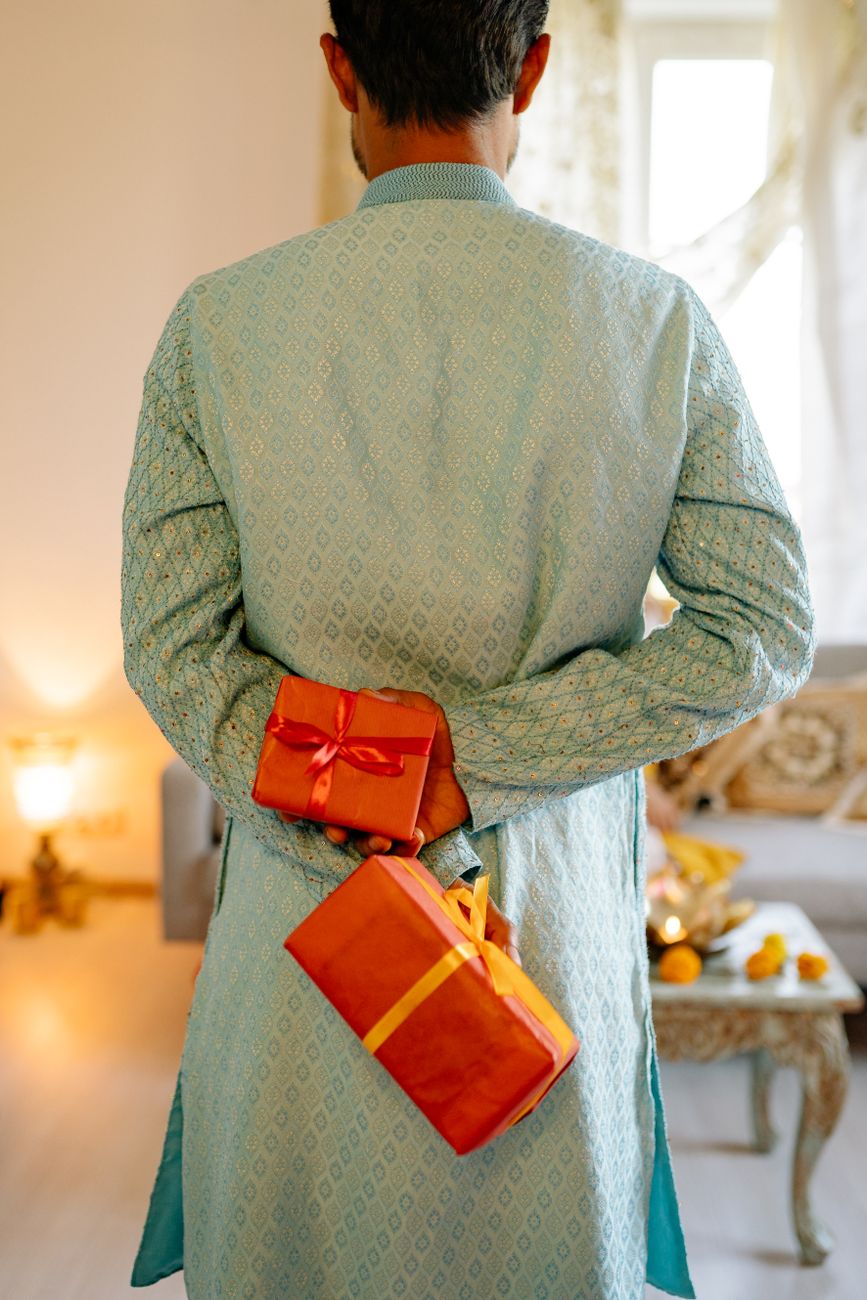
A thoughtful gift can make someone feel seen in a way a more expensive one often does not. That is the part people remember. Not the price tag, but the sense that the giver noticed a preference, a struggle, a memory, or a small detail that mattered.
That is why thoughtful gifts matter more than price in so many situations. A gift that reflects real understanding usually creates a stronger emotional response than something costly but generic. It says, quietly and clearly, “I paid attention to you.”
Why price alone rarely makes a gift memorable
Most people can tell when a gift was chosen quickly and when it was chosen with care. A higher price can impress for a moment, but it does not always create a lasting connection. In fact, expensive gifts can sometimes feel awkward if they are too formal, too impractical, or too far from the recipient’s taste.
A thoughtful gift works differently. It connects to the person’s life, not just the occasion. That connection is what makes it memorable.
For example, a friend who loves tea may appreciate a carefully chosen sampler with a note about why each flavor reminded you of them. That gift may cost less than a premium gadget, but it feels more personal because it reflects attention and care.
What people really respond to in a gift
When a gift feels meaningful, it usually includes one or more of these elements:
- Recognition, because the gift reflects who they are.
- Effort, because it shows time and thought went into the choice.
- Memory, because it connects to something shared or meaningful.
- Usefulness, because it fits their real life.
- Personalization, because it feels chosen for them rather than for anyone.
These qualities matter because gifts are rarely just about the object itself. They are often about how the object makes someone feel in the relationship. A small, well-considered item can strengthen that feeling more than an expensive purchase with no personal connection.
Why thoughtful gifts matter more than price in relationships
Gift giving is often a form of communication. A thoughtful gift can express appreciation, affection, respect, or gratitude without needing a long explanation. That is part of why it matters so much in close relationships, where people care not only about what was given, but why it was chosen.
In romantic relationships, a thoughtful gift can signal that you notice the details of your partner’s preferences and routines. In families, it can show that you still understand someone as they grow and change. In friendships, it often feels especially meaningful because it reflects shared history and attention over time.
Price can’t do that work on its own. A large budget may make a gift more luxurious, but thoughtfulness is what makes it feel like it belongs to the relationship.
Thoughtful vs expensive gifts
| Thoughtful gift | Expensive gift |
|---|---|
| Matches the person’s tastes, habits, or needs | May be impressive, but not always personal |
| Often creates an emotional connection | Can feel generous, but sometimes feels distant |
| Shows observation and effort | Shows spending power, but not necessarily attention |
| Works well at many budget levels | Often depends on disposable income |
| More likely to be remembered for meaning | More likely to be remembered for value |
This does not mean expensive gifts are bad. Sometimes a larger purchase is the right choice, especially for major occasions or when the person truly wants something costly. But even then, the best gifts usually include thoughtfulness in the selection, presentation, or timing.
Examples of thoughtful gifts that do not rely on a big budget
Thoughtful gifts often work because they fit the person’s actual life. A few examples can show the difference clearly.
- A custom photo book for a parent or grandparent can feel more meaningful than a pricey decorative item because it brings back shared memories.
- A favorite snack box for a stressed coworker can feel considerate because it acknowledges their routine and gives them something easy to enjoy.
- A handwritten recipe card with ingredients for someone who loves cooking can feel personal because it connects to a shared dish or family tradition.
- A practical item they keep meaning to buy, such as a quality lunch container or desk organizer, can be thoughtful if you know they would genuinely use it.
What these gifts have in common is not their price. It is the fit. They match a person’s habits, interests, or emotional world, which makes them feel more considered.
How to choose a thoughtful gift
If you want your gift to feel meaningful, start by thinking about the person, not the product. A useful gift often comes from noticing what they mention, what they enjoy, or what makes their daily life easier.
Look for clues in everyday conversation
People often reveal good gift ideas without realizing it. They might mention a hobby they want to return to, a comfort item they always buy again, or something they wish they had more time for. Those small comments can be more helpful than a long wish list.
Pay attention to their routines
Routine tells you what a person uses, needs, and values. Someone who drinks coffee every morning may appreciate a better mug or a carefully selected blend. Someone who travels often may value something compact and practical. A gift that fits a habit usually feels more natural than one chosen just because it looks impressive.
Think about what feels like them
The best thoughtful gifts often reflect identity. Maybe the person likes quiet evenings, bright colors, old movies, gardening, or cooking for others. A gift that aligns with that identity feels more personal because it says, “I see the kind of person you are.”
Common mistakes people make when choosing gifts
Even well-meaning gifts can miss the mark when they focus too much on price or appearance. These are a few common mistakes that make gifts feel less thoughtful than they could be.
- Buying something expensive just to seem generous. If it does not suit the person, it may feel impersonal.
- Choosing something trendy without considering taste. Popular items are not always right for the recipient.
- Overlooking practicality. A beautiful gift that gathers dust often means less than something useful and well chosen.
- Assuming more items equal more thought. A cluttered gift basket is not always better than one carefully selected item.
- Skipping presentation completely. Even a simple note or wrap can make a modest gift feel much more intentional.
Thoughtfulness often comes down to restraint. A smaller, clearer choice can feel much more personal than a large but unfocused one.
When a more expensive gift does make sense
There are times when price and thoughtfulness can work together. A more expensive gift may make sense for milestones like weddings, anniversaries, retirements, or major life changes. It can also be appropriate when the recipient has specifically asked for something that costs more.
Even then, the reason matters. A high-value gift feels better when it solves a real need, honors a milestone, or supports something the person truly wants. The gift becomes meaningful because it is grounded in the relationship, not because it is expensive by default.
For many people, a thoughtful mid-range gift with a personal note will still feel more memorable than a luxurious item chosen without much reflection.
Simple ways to make any gift feel more thoughtful
You do not need a large budget to make a gift feel personal. Small details often carry more emotional weight than extra spending.
- Write a specific note that explains why you chose the gift.
- Connect it to a memory, such as a trip, shared meal, or inside joke.
- Choose quality over quantity when the person prefers simplicity.
- Include something useful if they value practicality.
- Match the gift to the occasion so it feels appropriate, not random.
That last point matters more than many people realize. A gift becomes more meaningful when it feels in step with the moment. A quiet, personal gesture can mean more than a flashy one if it fits the occasion and the relationship.
Why thoughtful gifts often strengthen relationships
People tend to remember gifts that make them feel understood. That feeling builds trust. It shows that the giver is paying attention not just on the holiday or birthday, but over time.
Over the years, those small moments of recognition add up. A thoughtful gift can become part of a person’s memory of being cared for. That is one reason why why thoughtful gifts matter more than price is not just a nice idea. In many relationships, it is the difference between a gift that is appreciated and a gift that is remembered.
A better question than “How much should I spend?”
Instead of starting with a budget alone, ask: What would make this person feel noticed, appreciated, or supported? That question usually leads to better choices. It shifts the focus from spending more to understanding better.
When a gift reflects real attention, it often means more than a higher price ever could. That is what makes it feel generous in a deeper sense. Not just expensive, but personal.