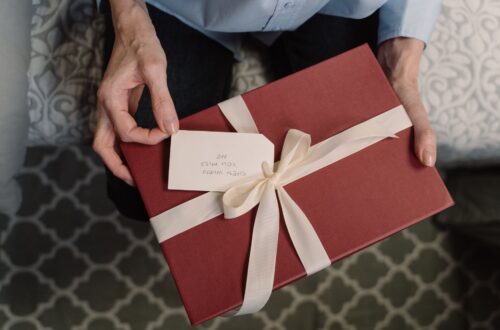

Sometimes the best gift is the one that gets used right away, and sometimes it is the one that comes out years later and still makes someone smile. The difference usually has less to do with price and more to do with how well the gift reflects the person receiving it.
That is why thoughtful gift ideas that create lasting memories matter so much. They are not just objects or gestures. They are reminders that someone paid attention, noticed what was meaningful, and chose with care.
If you are trying to choose a gift that feels personal without being overly elaborate, the best place to start is often with memory, identity, or shared experience. Those three things tend to make a gift linger in someone’s mind long after the wrapping paper is gone.
What Makes a Gift Memorable
A memorable gift usually does one of three things. It connects to a shared moment, it reflects something important about the person, or it creates a new experience they will remember later.
That is why a handwritten note can feel more meaningful than a costly item, and why a simple framed photo can sometimes beat a trendier present. The emotional value comes from recognition. The giver is saying, I know you, or I remember this with you.
Many people assume memorable gifts need to be sentimental, but that is not always true. A useful item can become meaningful when it solves a problem the recipient has mentioned before. Thoughtfulness is often visible in the details.
Types of Thoughtful Gift Ideas That Create Lasting Memories
Gifts that reflect shared history
Shared-history gifts work because they bring back a specific time, place, or inside joke. They are especially strong for close friends, partners, siblings, and parents who value nostalgia.
- Framed photo from a meaningful moment – This could be a trip, a graduation, a wedding, or even a regular day that became special. The meaning comes from the memory it preserves.
- Custom map or print of a meaningful place – A first home, a honeymoon destination, or the town where someone grew up can make this feel personal without being overly flashy.
- Memory book or photo album – This works well when you want the recipient to revisit a relationship over time instead of just glance at a gift once.
The key with memory-based gifts is specificity. A generic photo gift can feel fine, but one that highlights a moment only the two of you understand usually feels much more special.
Gifts that create an experience
Experience gifts often create stronger memories than physical gifts because they become part of a story. People remember how something felt, who they were with, and what happened along the way.
- Cooking class or tasting event – This is a good choice for someone who enjoys trying new things and values shared time.
- Day trip or weekend outing – A planned trip can feel especially thoughtful when it is based on something the recipient has mentioned wanting to do.
- Tickets to a concert, play, or game – These gifts work well when you know their interests well enough to pick something they will genuinely enjoy.
Experience gifts are often strongest when you join in. The memory becomes richer if the gift also includes your time, not just admission or reservations. For many people, the company matters as much as the activity.
Gifts that preserve a relationship
Some of the most thoughtful gift ideas that create lasting memories are small things that protect a relationship over time. They are not necessarily dramatic, but they keep a connection visible.
- Personalized journal or letter box – This invites reflection and can become a keepsake filled with messages, milestones, or private thoughts.
- Recipe collection from family members – A child, grandparent, or sibling may value this because it turns everyday cooking into a family record.
- Custom book with shared messages – Friends or family members can each add notes, memories, or reasons they appreciate the recipient.
These gifts matter because they make intangible things feel lasting. A relationship is hard to wrap, but it can be represented in a form that someone can return to later.
How to Choose a Gift That Feels Personal
If you want a gift to become memorable, start by thinking about what the person talks about naturally. Do they mention a place they miss, a hobby they are building, or a routine they love? Those details often point to better gifts than broad shopping categories do.
Another useful question is this: What part of their life would they want remembered? That answer can lead you toward gifts that match identity rather than trend. A thoughtful gift often says something like, This fits who you are, instead of This is popular right now.
It also helps to consider how they like to receive appreciation. Some people enjoy sentimental items they can display. Others prefer practical gifts with a personal touch, especially if they dislike clutter.
| Gift type | Best for | Why it feels memorable |
|---|---|---|
| Photo or keepsake gift | People who enjoy nostalgia | Preserves a shared moment in a visible way |
| Experience gift | People who value time together | Creates a new memory instead of storing an item |
| Personalized practical gift | People who like useful things | Shows attention to their daily life and preferences |
| Family or message-based gift | People who value relationships | Turns appreciation into something lasting |
Thoughtful Gift Ideas by Relationship
For a parent
Parents often appreciate gifts that show recognition of the role they have played. A photo book of family milestones, a custom recipe collection, or a framed letter from a child can feel especially meaningful.
For many parents, the emotional value comes from being remembered as a person, not just as a provider. A gift that captures family history often lands better than something generic or purely decorative.
For a friend
Friendship gifts usually work best when they feel specific to your shared life. A print from a trip you took together, tickets to something you can attend side by side, or a small object tied to an inside joke can create that kind of memory.
With friends, the goal is often not formality. It is recognition. A thoughtful gift says, I noticed what matters to us.
For a partner
Romantic gifts often become more meaningful when they show attention to the details of daily life. A date-night experience, a custom item connected to a shared memory, or a letter paired with a small keepsake can feel deeply personal.
Partners usually notice effort more than expense. A well-chosen gift can feel romantic because it shows you remember what they said months ago, not because it cost the most.
For a child or teen
For younger recipients, lasting memories often come from gifts that support an interest or mark a stage in life. A first camera, a scrapbook starter kit, or tickets to an event they have been excited about can become part of their personal story.
It is often smart to pair the gift with a shared activity. The item may matter, but the memory of being seen and encouraged matters too.
Common Mistakes That Make Gifts Feel Less Thoughtful
Even well-meant gifts can miss the mark when they are too broad or too disconnected from the recipient. A few common mistakes show up often.
- Choosing something based only on trends – If it does not fit the person, it may feel forgettable.
- Making the gift about your own taste – Thoughtfulness is about their preferences, not yours.
- Skipping the personal detail – A basic item can still feel meaningful if you add context, but without that, it may feel generic.
- Overcomplicating the gesture – Sometimes a simple, well-observed gift is stronger than a grand one that feels disconnected.
One easy way to avoid these mistakes is to ask yourself whether the gift tells a story about the recipient. If it does, you are usually on the right track.
How to Make an Ordinary Gift Feel More Meaningful
You do not always need to buy something special to make a gift memorable. Presentation and context matter more than many people realize. A short note explaining why you chose the gift can turn a modest item into something keep-worthy.
Timing can help too. Giving a gift on a meaningful date, after an accomplishment, or during a difficult season gives it emotional weight. The same item can feel very different depending on when it is given.
Another simple approach is to attach a shared intention to the gift. For example, if you give a cookbook, write a note saying you want to try one recipe together. That turns the present into an ongoing memory instead of a one-time exchange.
When Experience Gifts Work Better Than Objects
Experience gifts are often a strong choice when the recipient already has enough things or prefers time over possessions. They are also helpful when the relationship benefits from shared moments, such as with partners, close friends, or adult children.
Physical gifts still have their place, especially when the recipient enjoys keepsakes or practical items. But if you are trying to create a memory that lasts, an experience can sometimes leave a deeper impression because it gives the recipient a story to tell.
| Experience gifts | Physical gifts |
|---|---|
| Create a memory in real time | Provide something to keep or use |
| Often feel best when shared | Can be enjoyed privately |
| Good for people who dislike clutter | Good for people who enjoy objects and keepsakes |
| May fade if not documented | Can remain visible and tangible over time |
Frequently Asked Questions
What makes a gift feel truly thoughtful?
A thoughtful gift usually shows that you noticed something specific about the person. That could be a memory, a habit, a goal, or a preference. The more clearly the gift reflects the recipient, the more likely it is to feel meaningful.
Are expensive gifts more memorable?
Not necessarily. Expensive gifts can be memorable, but many people remember gifts that felt personal, timely, or emotionally relevant. Thoughtfulness often leaves a stronger impression than price alone.
What if I do not know the person very well?
When you are still learning about someone, it is often safer to choose something practical, tasteful, and lightly personal. A quality everyday item, a shared experience, or a simple gift with a sincere note can feel considerate without being too presumptive.
How can I make a gift feel more personal quickly?
Add one specific detail. A note, a reference to a shared memory, or a choice tied to something they mentioned can change how the gift is received. Personalization does not always need to be custom-made.
Choosing Meaning Over Size
The most lasting gifts usually do not try to impress everyone. They only need to feel right to one person. That is why the best thoughtful gift ideas that create lasting memories often come from paying close attention instead of shopping broadly.
If you can connect the gift to a memory, a shared moment, or something that reflects who the person is, you are already giving more than an object. You are giving recognition, and that is often what people remember longest.