A gift can be useful and still feel flat. A mug, a candle, or a nice sweater might be appreciated, but it does not always feel like it was chosen with a specific person in mind. That is usually what people mean when they search for how to make gifts feel more personal: they want the present to feel connected to the relationship, not just the occasion.
The good news is that personal gifts do not have to be expensive, handmade, or elaborate. In many situations, they feel more thoughtful because of small details that show attention. A gift becomes more personal when it reflects what someone likes, remembers, needs, or values.
That shift matters because people rarely remember price first. They remember feeling seen.
What makes a gift feel personal
A personal gift usually does one or more of these things:
- Shows that you know the person’s tastes or routines
- References a shared memory, joke, or milestone
- Fits a specific need rather than a generic category
- Includes a detail that could only make sense for that person
- Feels chosen, not grabbed last minute
That last point is important. People often read effort into gifts. A simple item can feel special if it has a clear reason behind it. On the other hand, even an expensive present can feel impersonal if it seems random.
Start with the person, not the product
The easiest way to make a gift feel more personal is to think about the recipient before you think about the gift idea. Ask yourself what they talk about, use every day, complain about, collect, or make time for. Those clues often point to gifts that feel more relevant than something trendy.
For example, if your friend always drinks tea at work, a beautifully selected tea set can feel more personal than a generic self-care box. If your dad likes fixing things around the house, a tool he actually needs may mean more than a decorative item. The gift is personal because it fits a real part of their life.
Questions that help you choose better
- What does this person enjoy doing when no one is asking them to?
- What do they mention needing, replacing, or wanting to try?
- What kind of objects do they already keep, wear, or display?
- What memory do we share that feels warm or funny?
- What would make their daily life easier or more pleasant?
These questions help you move away from generic shopping and toward thoughtful observation. That is often where the most personal gifts come from.
Use specific details instead of broad ideas
A gift becomes more personal when it feels tailored. That does not mean custom engraving is always necessary. Often, specificity matters more than personalization in the obvious sense.
Compare these examples:
- Generic: a notebook
- More personal: a notebook in the color they always choose, with a note explaining why you thought it would be good for their travel writing or work ideas
- Generic: a candle
- More personal: a candle that reminds you of the seaside trip you took together, paired with a short message about that memory
- Generic: a blanket
- More personal: a blanket in their favorite color, chosen because they always curl up with one while reading
The difference is the context. When a gift says, “I noticed this about you,” it feels more intentional.
Practical ways to make a gift feel more personal
1. Add a meaningful note
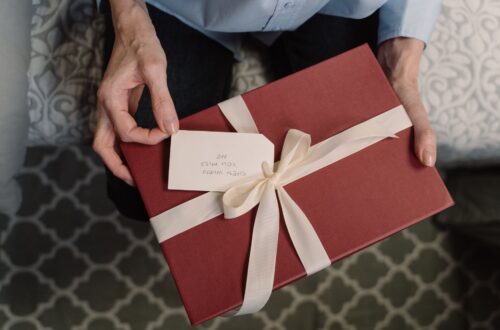
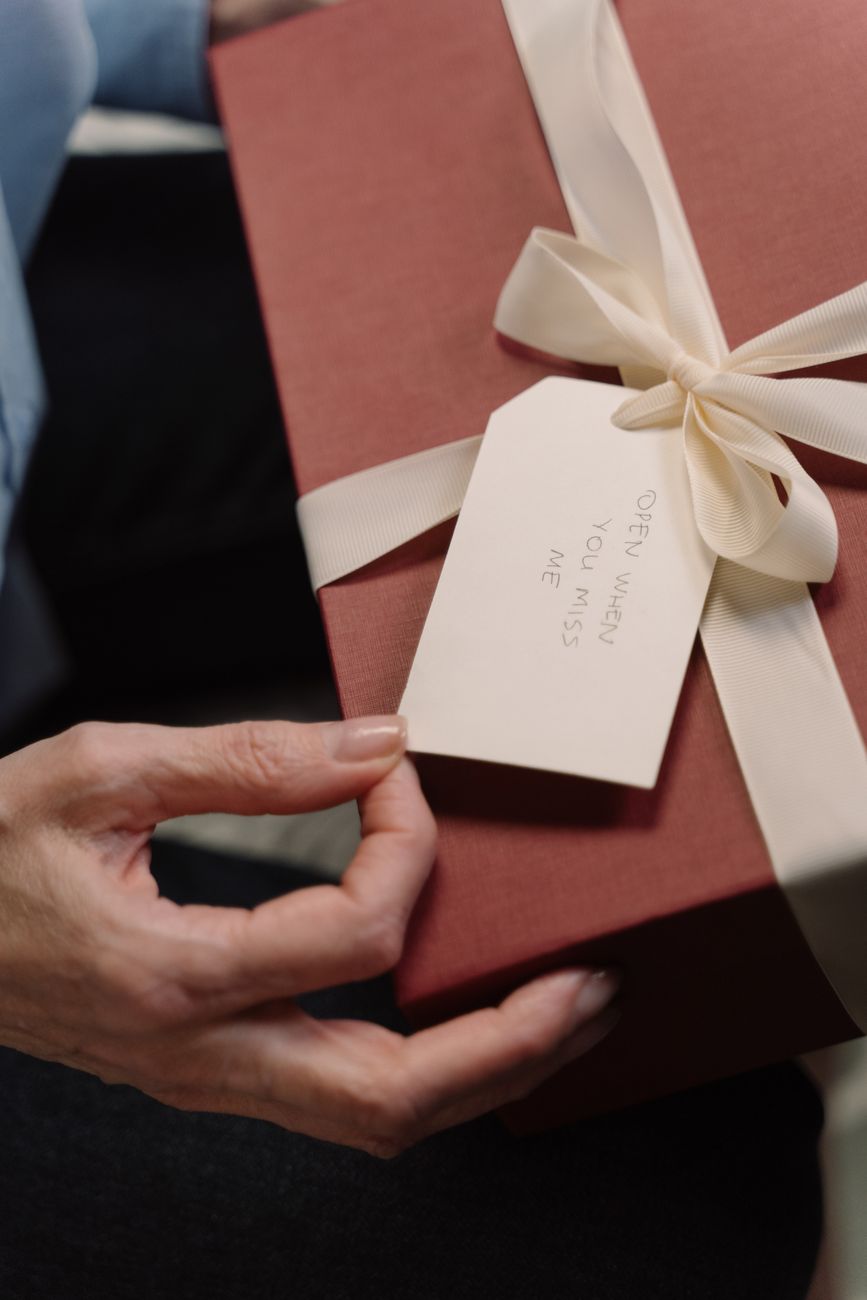
A thoughtful card can change how a gift is received. Even a modest present feels warmer when it includes a few words about why you chose it. You do not need a long message. A specific, honest note is usually enough.
Instead of writing something vague like “Hope you like it,” mention the reason behind the gift. For example: “I picked this because you always make time for your morning coffee, and I thought this would make that part of your day a little better.”
That kind of message turns a simple object into a sign of attention.
2. Reference a shared memory
Shared memories are one of the simplest ways to make gifts feel more personal. They remind the other person that the relationship itself is part of the gift.
A framed photo from a trip, a book from a place you visited together, or even a snack from a childhood memory can all feel surprisingly meaningful. The key is to choose a memory that feels warm, not forced.
This works especially well for close friends, partners, siblings, and parents, where the relationship already carries a lot of history.
3. Customize the details
Customization can help, but only when it fits the person. Initials, favorite colors, meaningful dates, and private references can all make a gift feel more personal. The point is not to decorate everything. The point is to make the gift clearly theirs.
For many people, subtle customization feels better than something overly flashy. A plain tote bag with their initials may feel more useful and personal than a large item covered in design choices that do not match their style.
4. Match the gift to a daily habit
One of the most effective ways to make gifts feel more personal is to connect them to something the person already does every day. This shows that you were paying attention to their routine, not just their wishlist.
Think of items they would naturally use: a better lunch container for a coworker who brings food to the office, a skincare item for someone who is always replacing the same product, or a charging stand for a family member who loses cords constantly. These gifts feel personal because they solve a real problem in a familiar part of life.
5. Choose quality over quantity
A single well-chosen item often feels more personal than a basket full of random things. Too many unrelated pieces can make a gift feel like shopping, not thinking. One item with a clear reason behind it is easier to connect emotionally.
This does not mean you should spend a lot. It means the item should feel considered. A carefully chosen book, kitchen tool, or accessory often says more than a larger collection of filler items.
Personal gifts by relationship type
For close friends
With friends, humor and shared experience often matter most. A personal gift for a friend might include an inside joke, something related to a hobby you talk about often, or an item that reminds them of a trip you took together.
For example, a friend who is always planning new recipes might appreciate a cooking tool with a note about the dinner disaster you both laugh about. The gift feels personal because it is tied to the friendship itself.
For parents and grandparents
For parents and grandparents, gifts often feel personal when they show care, gratitude, or remembrance. A photo book, a framed family picture, or a useful item that supports a routine they value can feel especially thoughtful.
Many older relatives also appreciate gifts that respect their habits instead of trying to reinvent them. A softer throw for the chair they always sit in, or a calendar filled with family birthdays and events, may be more meaningful than something decorative they will not use.
For partners
Romantic gifts feel personal when they reflect the relationship’s shared history. A playlist, a favorite dessert from a special date, or an item linked to an upcoming plan can feel more heartfelt than a generic romantic gesture.
Partners often notice whether a gift reflects attention to small preferences. The right coffee blend, a book in their favorite genre, or something that supports their current goal can feel intimate because it shows you see the details of their life.
For coworkers and acquaintances
With coworkers, the goal is usually thoughtful but appropriate. Personal does not need to mean deeply intimate. It can simply mean you noticed something useful or pleasant about their workday.
A desk accessory in their favorite color, a good notebook, or a snack they enjoy can feel personal without being too familiar. For these relationships, restraint matters as much as thoughtfulness.
What to avoid if you want a gift to feel personal
Some gifts become less personal when they are too broad, too rushed, or too obviously last minute. A few common mistakes stand out:
- Choosing based only on popularity: trendy items can feel generic if they do not match the person
- Making it about your taste: a gift should reflect the recipient, not just what you would buy for yourself
- Overdoing customization: too many names, monograms, or quotes can make a gift feel less natural
- Ignoring practicality: a personal gift still needs to suit the person’s life
- Adding too many random extras: more items do not always create more meaning
One helpful rule is this: if the recipient would not naturally choose the item, the reason for giving it should be very clear. Otherwise, the gift can feel disconnected.
Personalized vs. thoughtful: they are not always the same
People often assume personalization and thoughtfulness mean the same thing. In reality, they overlap but are not identical. A personalized item has some specific marker, like a name, date, or custom design. A thoughtful gift, on the other hand, shows understanding even if nothing is engraved.
| Approach | What it does well | Best use |
|---|---|---|
| Personalized gift | Makes the item clearly tied to one person | Milestones, close relationships, keepsakes |
| Thoughtful but not customized | Shows attention to needs or tastes | Everyday gifts, practical occasions, work relationships |
| Memory-based gift | Connects to shared history | Friends, partners, family |
| Practical gift | Improves daily life | People who value usefulness over sentiment |
In many situations, the best gift uses more than one of these approaches. A useful item with a memory attached and a short note often feels stronger than something heavily personalized but poorly suited to the person.
Small touches that make a big difference
Sometimes the gift itself is fine, but the presentation makes it feel more personal. Simple changes can make a surprising difference.
- Wrap it in their favorite color
- Include a short handwritten note instead of a generic card
- Present it with a story about why you chose it
- Pair a practical item with something sentimental, like a photo or memory
- Give it at a moment when the person can actually enjoy it, not when everyone is distracted
These details matter because they shape the experience of receiving the gift. A thoughtful presentation can help the person understand that the gift was chosen for them, not just bought for the occasion.
How to make a simple gift feel more meaningful
You do not need to invent something elaborate. A simple gift can feel very personal if it is paired with the right context. The strongest approach is usually to connect the item to the person’s actual life and then explain that connection in a few honest words.
For example, if you give a cookbook to someone who loves trying new recipes, point out the section you think they will enjoy most. If you give a blanket to a stressed-out friend, say you hoped it would make their evenings a little calmer. If you give a notebook to a student or planner, mention that you noticed how often they jot things down.
That extra bit of observation often matters more than the item itself.
When a personal gift is not the right choice
There are times when overly personal gifts can feel uncomfortable. This is especially true in new relationships, professional settings, or situations where you do not know the person well enough to guess their preferences confidently.
In those cases, aim for thoughtful and appropriate rather than deeply personal. A useful, well-made, neutral gift with a polite note is often the better choice. Personal does not have to mean private.
FAQs about making gifts feel more personal
Do personal gifts have to be handmade?
No. Handmade gifts can feel personal, but they are not the only option. A store-bought gift can feel just as personal if it reflects the recipient’s tastes, routine, or memories you share.
Is engraving always a good idea?
Not always. Engraving works best when the item is likely to be kept and used for a long time. For some people, a subtle customization is lovely. For others, it can make a gift feel less flexible or too formal.
What if I do not know the person very well?
Focus on observation and usefulness. Choose something that fits their role, habits, or setting, then add a short note. That creates warmth without pretending to know them more deeply than you do.
Can a practical gift still feel personal?
Absolutely. In many cases, practical gifts feel the most personal because they show that you noticed what would genuinely help. A useful gift becomes more meaningful when it solves a real need in someone’s life.
A personal gift is really a sign of attention
The most effective way to make gifts feel more personal is not to spend more. It is to pay attention more carefully. When a gift reflects someone’s habits, memories, preferences, or daily life, it communicates something simple and powerful: I know you.
That is why the most memorable gifts are often not the fanciest ones. They are the ones that feel like they could only have been chosen for that person, by someone who was truly paying attention.