When a gift feels a little too ordinary, the easiest fix is usually not a higher price tag. It’s a small detail that says, “I noticed this about you.” That is why creative ways to personalize gifts for loved ones often matter more than buying something bigger or more expensive.
Personalization works because it turns a general present into something that feels chosen for one specific person. A mug becomes thoughtful when it carries an inside joke. A blanket feels warmer when it includes a family photo or a meaningful date. Even a very simple gift can feel memorable when it reflects a shared memory, a habit, or a personality trait.
If you’ve ever wondered why one gift gets used for years while another is forgotten quickly, the difference is often emotional fit. People remember gifts that make them feel understood. That feeling does not require a huge budget. It usually comes from paying attention.
Why personalized gifts feel more meaningful
Personalized gifts stand out because they show effort. Not just effort in shopping, but effort in noticing. When someone realizes you remembered their favorite color, their pet’s name, a family photo, or a phrase they always say, the gift feels more connected to the relationship.
That connection matters for many reasons. It can make a gift feel more flattering, more sentimental, or more useful, depending on what you choose to highlight. A personalized item also tends to feel less interchangeable. It was clearly meant for that person, not for anyone at all.
This is especially helpful when you are buying for someone who says they “don’t need anything.” In those cases, a customized gift often lands better than a practical item with no personal touch. The usefulness is still there, but the meaning helps it feel special.
Creative ways to personalize gifts for loved ones
1. Use shared memories instead of generic messages
A custom gift becomes much more interesting when it references something only the two of you would understand. That might be the date of a trip, a phrase from a conversation, or a place that matters to your relationship. These details make a gift feel like part of your shared history.
For example, a framed print of a city skyline means more if it’s the city where you met. A notebook feels more thoughtful if the cover includes the name of a café you always visit together. The memory does the heavy lifting here, not the object itself.
2. Add names, initials, or dates in a subtle way
Some people love obvious personalization. Others prefer something quieter. Initials on a leather wallet, a wedding date on a key ring, or a child’s name on a storybook can all make a gift feel special without being flashy.
Subtle personalization works well when the person likes clean, classic items. It lets the gift stay practical while still carrying a personal detail. That balance is useful for partners, parents, coworkers, and anyone who prefers understated style.
3. Turn favorite photos into something useful
Photo gifts can be much better than people expect when they are chosen thoughtfully. The key is not to print a random snapshot just because it exists. Pick a photo with emotional value and pair it with an item the person will actually keep using.
Photo books, desk prints, calendars, phone cases, and even blankets can work well. For grandparents, family photos often feel especially meaningful. For a partner, a photo from a trip or anniversary may carry more warmth than a posed portrait.
4. Match the gift to a hobby or routine
One of the most effective creative ways to personalize gifts for loved ones is to connect the present to something they already enjoy. If they love baking, personalize an apron or recipe box. If they jog every morning, a water bottle with their name or a message may feel useful and encouraging.
This works because it shows respect for their actual life, not just their birthday or holiday. The gift becomes part of their routine. That tends to make it more appreciated, since it fits naturally into what they already do.
5. Use a private joke or meaningful phrase carefully
Inside jokes can make gifts feel wonderfully personal, but they work best when the message is kind and still understandable to the recipient. A quote from a favorite movie, a silly nickname, or a family phrase can add warmth and humor.
Be careful not to make the joke too obscure or too embarrassing. A good personalized gift should make someone smile, not feel put on the spot. If the phrase only works for the two of you and feels affectionate, it is usually a strong choice.
6. Choose colors and materials that reflect their style
Personalization is not only about text. It can also mean choosing a version of the gift that clearly suits the person. A linen journal in a favorite color, a kitchen item in the same style as their home, or a tote bag in a fabric they actually use can feel more personal than a custom label.
This type of personalization is especially useful for people who value design or practicality. It shows that you noticed how they live, not just what they like in theory. That makes the gift feel more natural and less forced.
7. Make the wrapping part of the gift
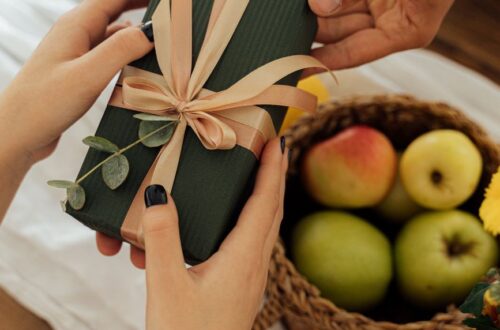
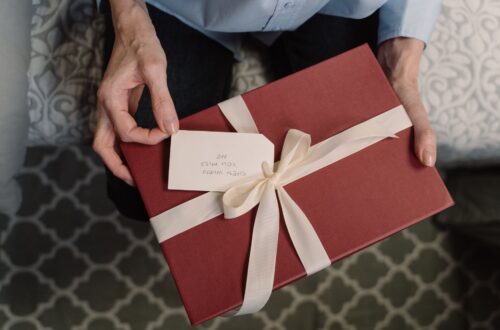
Presentation is a form of personalization people often overlook. A hand-written note, a custom tag, or wrapping paper that nods to their interests can change the experience before they even open the present. Sometimes the first impression matters as much as the item itself.
For a parent, a note with specific memories often means more than fancy paper. For a friend, a playful label or themed wrapping can add personality. The point is not perfection. It is showing care in the details.
8. Create a small bundle around one theme
Instead of giving one large gift, you can personalize several smaller items around the person’s life. A tea lover might receive a tin of tea, a ceramic mug, and a note explaining why you picked that blend. A new parent might appreciate snacks, a soft blanket, and a simple card with a message of support.
Bundles feel thoughtful because they tell a fuller story. They also give you more chances to tailor the gift without spending much more. The theme is what makes the bundle feel intentional.
Personalized gifts by relationship
Different relationships call for different kinds of personalization. What feels sweet for a partner may feel too intimate for a coworker. A gift for a grandparent may need more warmth and clarity than cleverness. Thinking about the relationship helps you choose the right tone.
| Relationship | Good personalization style | Why it works |
|---|---|---|
| Partner | Photos, dates, shared quotes, memory-based gifts | Feels intimate and emotionally specific |
| Parent | Family photos, heartfelt notes, practical items with initials | Balances usefulness with sentiment |
| Grandparent | Photo books, calendars, keepsakes with names or grandchild details | Often highlights family connection and legacy |
| Friend | Inside jokes, shared memories, hobby-based personalization | Feels fun, relaxed, and personal |
| Coworker | Subtle initials, elegant design, lighthearted but appropriate messages | Keeps the gift thoughtful without crossing boundaries |
| Child | Name personalization, favorite characters, custom story elements | Makes the gift feel exciting and “theirs” |
How to personalize a gift without making it feel overdone
It is possible to add too much personalization. When a gift is covered in names, slogans, photos, and decorations, it can start to feel cluttered rather than thoughtful. In many cases, one strong personal detail is better than several competing ones.
A useful rule is to choose one main emotional detail. That might be a photo, a date, a phrase, or a hobby reference. Then let the rest of the gift stay simple. The result usually feels more refined and easier to enjoy.
Another good approach is to match the level of personalization to the person’s personality. Some people love big, sentimental gestures. Others prefer a quiet nod to the relationship. The best gifts usually feel like they were made with the recipient’s comfort in mind, not just the giver’s enthusiasm.
Thoughtful personalization ideas by budget
You do not need to spend much to personalize a gift well. In fact, many of the most effective ideas are inexpensive because they rely on attention rather than cost.
| Budget | Personalization idea | Best for |
|---|---|---|
| Low | Handwritten note, custom label, printed photo, themed wrapping | Almost any relationship |
| Moderate | Monogrammed accessory, custom mug, engraved keepsake, photo book | Birthdays, holidays, anniversaries |
| Higher | Customized jewelry, framed artwork, tailored experience gift, handmade memory box | Milestones and close relationships |
The price matters less than the fit. A simple note tucked into an inexpensive gift can mean more than a costly item that feels impersonal. Personalization works best when it helps the recipient feel seen.
Common mistakes to avoid
- Using personalization just to fill space. A name alone does not always make a gift meaningful.
- Choosing a detail the recipient would not want displayed. Keep comfort and taste in mind.
- Overlooking usefulness. A sentimental gift is stronger when it still suits the person’s life.
- Making the joke too private or awkward. If it is confusing, it may not land well.
- Waiting too long to order custom items. Personalized gifts often need extra time, especially around holidays.
One of the most common mistakes is assuming that personalization automatically makes a gift good. It does not. The detail has to connect to the person in a real way. If it does, even a small gift can feel deeply thoughtful.
When a handmade touch matters more than a custom product
Sometimes the best personalization is not something you order at all. A handwritten recipe card from a parent, a scrapbook of travel memories, or a jar filled with notes for a friend can feel more personal than a store-bought customized item. Handmade gifts often carry a visible record of time and care.
This can be especially meaningful for close relationships. If you know the person values sentiment, a handmade project may feel more sincere than a polished product. The key is to make something that fits your skill level so it feels intentional, not rushed.
FAQ about creative ways to personalize gifts for loved ones
What makes a personalized gift feel thoughtful instead of generic?
A personalized gift feels thoughtful when it reflects a real detail about the recipient, such as a memory, habit, favorite thing, or shared experience. If the customization could apply to almost anyone, it usually feels more generic.
Do personalized gifts have to be sentimental?
No. Some of the best personalized gifts are practical. A monogrammed bag, a custom lunch container, or a name-engraved tool can feel personal without being emotional.
Are personalized gifts better for close relationships?
They often are, especially when the customization references a shared memory or inside joke. That said, subtle personalization can also work well for less intimate relationships, as long as it stays appropriate.
What if I do not know the person well enough to customize deeply?
Use safer forms of personalization like their favorite color, a simple monogram, or a useful item tied to a hobby they have mentioned. You do not need private knowledge to show attention.
Can a card count as personalization?
Yes, especially if the message is specific. A card that mentions a memory, a quality you admire, or a reason the gift reminded you of them can be just as meaningful as a customized object.
Choosing the right personal detail
The best creative ideas are usually the ones that feel natural to the relationship. If you are buying for someone sentimental, a memory-based gift may be the right fit. If the person likes practical things, a subtle customization might work better. If they enjoy humor, a playful phrase or inside joke can be a lovely touch.
Think less about making the gift impressive and more about making it recognizable. The most memorable personalized gifts often feel like this person, this relationship, this moment. That is usually what people remember long after the wrapping is gone.