You searched for “elegant gift ideas under a tight budget.” That tells me two things. First, you want something that looks and feels thoughtful, not cheap. Second, you want strategies that make limited cash stretch into something emotionally rich. This article is for the person who wants the gift to feel intentional, graceful, and memorable even when the wallet says otherwise.
Picture this. Maria has $25 to buy a birthday gift for her boss. She buys a small notebook, writes a thoughtful note on the first page, wraps it in textured paper, and adds a pressed flower. Her boss keeps that notebook on her desk. Now imagine Marcus, also on a small budget, grabbing a scented candle from the checkout aisle, tossing it in a plastic bag, and handing it over without a card. Same price range, wildly different impressions. Those two scenarios show exactly where elegance lives. It is in the choices and the care, not only the dollar amount.
Quick answer: How to make an elegant gift under a tight budget
Yes, you can look elegant on a small budget. The short list of principles to follow are:
- Choose one clear emotional angle. Aim to comfort, celebrate, or support. Less is more.
- Spend on quality touchpoints not quantity. One well chosen item, refined wrapping, and a personal note beat a basket of impulse buys.
- Tell a short story with the gift. A memory, a shared joke, or an intention makes inexpensive things feel curated.
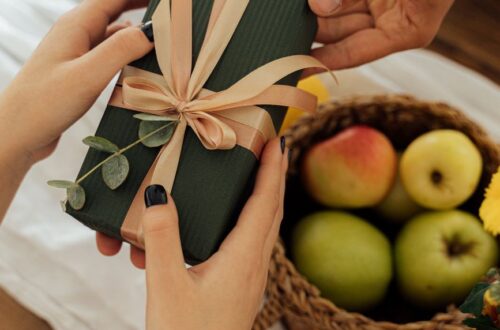
- Presentation transforms perception. Clean wrapping, a ribbon, or a handmade label raises value perception more than an expensive box.
Scenario A. Lena wants an elegant anniversary gesture but has $30. She buys a journal with a linen cover, writes a dated letter, and packages both in brown kraft paper tied with twine. Her partner cries. Scenario B. Tom has the same budget but chooses novelty socks and hands them over in a plastic bag. The emotional outcome is not the same. Small choices stack into an elegant whole.
Why elegance matters in gifting: psychology and social signal
Gifts are social signals. They communicate attention, empathy, and respect. Elegance is not about brand names. It is about conveying worth in a way that aligns with the recipient’s values. That psychological fit is what people remember.
Two quick psychological facts to keep in mind. First, the endowment effect means people value things more when they see personal effort attached. A short handwritten note can increase perceived value more than the monetary cost suggests. Second, context shapes perception. The same object wrapped and introduced differently will be felt as more thoughtful or more thoughtless.
Anecdote. A mother once told me her favorite gift from her daughter was a $10 tea tin that came with a list of ten reasons to take a quiet moment. The tea was ordinary, but the framing turned it into a ritual. Another friend remembered a coworker giving a single, well-typed poem in a simple envelope. It was framed and hung for years. Both gifts were low cost. Both felt elegant because of meaning and presentation.
Putting this into practice means prioritizing one or two emotional goals per gift. Are you aiming for relaxation, celebration, nostalgia, or practical help? Having that lens makes it easier to pick and style an inexpensive item so it reads as elegant rather than merely cheap.
Practical strategies to create elegance on a tight budget
This is the how-to section. Think of elegance as a small set of craft skills you can apply to any gift. Below are actionable strategies with real-life examples and mini-anecdotes to make each idea tangible.
1. Pick one clear emotional angle
Decide if the gift’s job is to comfort, celebrate, or be useful. Narrow focus means every detail supports the same feeling.
Scenario. For a friend returning from a stressful trip, Elena chose a lightweight eye pillow and a playlist link she curated. She added a note: “Ten minutes when everything else can wait.” For a colleague receiving a promotion, Raj bought a single engraved pen and enclosed a congratulatory note citing a specific achievement. Both were inexpensive but felt targeted and elegant.
2. Invest in a tactile, quality touchpoint
Small splurges feel luxurious when they are the visible focus. Look for texture, neutral colors, and minimal branding. Linen, uncoated paper, glass, and brushed metal read as higher value than glossy plastic. Many people assume luxury always requires a large budget, but carefully selected affordable luxury gifts often create the same impression through quality materials, thoughtful design, and presentation.
Anecdote. I watched two friends buy plants. One chose a cheap plastic pot with bright cartoon stickers. The other found a small, hand-thrown ceramic pot at a local market for the same price. The ceramic pot looked intentional on the shelf. The recipient still remembered the ceramic pot but not the cartoon pot because of the material and finish.
3. Presentation: packaging, notes, and ritual
Presentation is where budget gifts become memorable. Handwritten notes, simple wrapping, and a clear reveal ritual change perception dramatically.
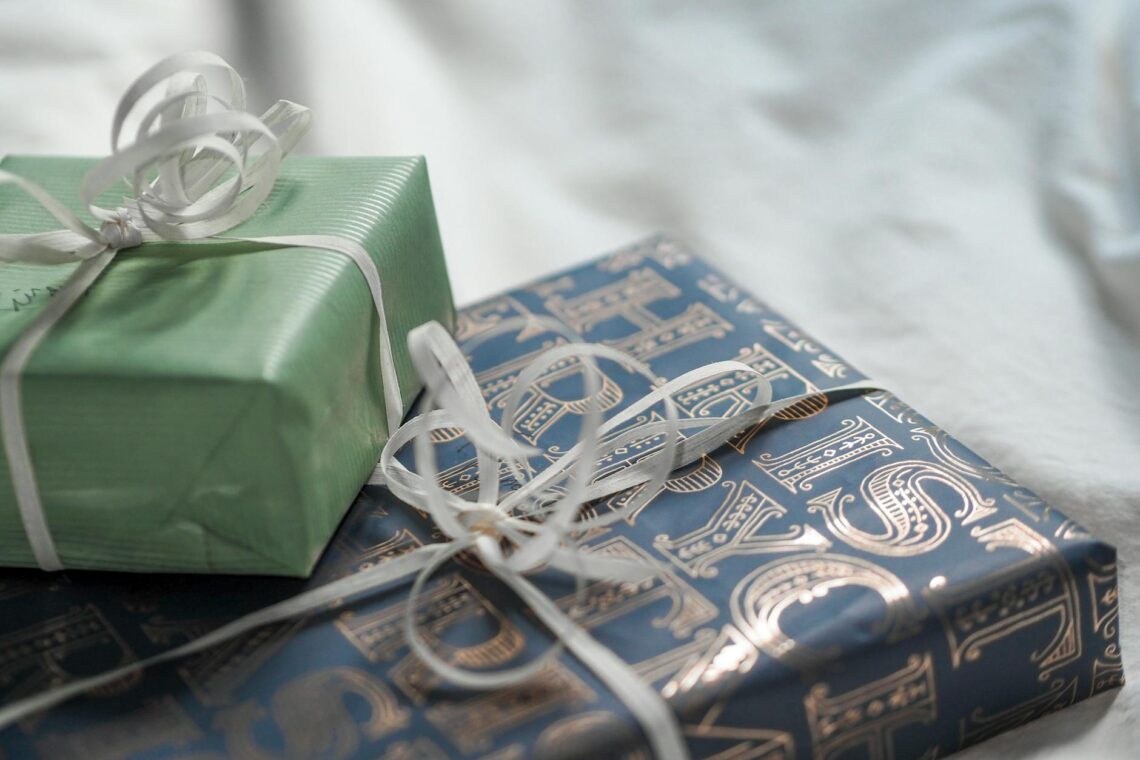
- Use kraft paper, neutral tissue, and twine for a refined, timeless look.
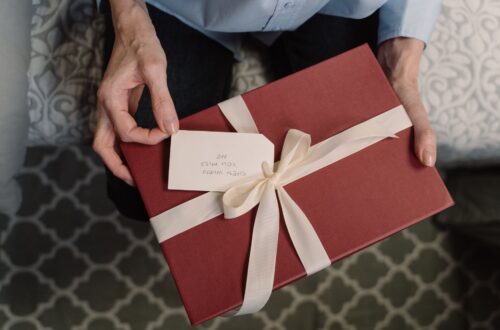
- Write a short, specific note. Single-sentence sincerity trumps vague compliments.
- Create a mini-ritual. “Open after dinner” or “Do not read until Monday” gives the gift context and anticipation.
Scenario. Nisha wrapped a loaf of sourdough from her favorite bakery in brown paper, labeled it “Break at dawn,” and included a butter recipe on an index card. The morning ritual elevated the loaf into an experience. Another friend packaged a homemade spice blend in a small jar with a label and a cooking suggestion. Both gifts were simple consumables that felt deliberate because packaging and instructions gave them a story.
4. Personalization without expensive engraving
Personalization does not require custom-made items. Thoughtful touches like a photo, a quoted line, or a time-stamped memory can turn cheap items into keepsakes.
Anecdote. David scanned an old Polaroid of him and his sister, printed it on matte paper, and slipped it into a store-bought wallet. The wallet cost little; the memory made it priceless. Maya wrote a one-paragraph “coupon” for a home-cooked dinner and tucked it into a tea tin. The coupon made an inexpensive tea gift feel intimate and ongoing.
5. Choose experiences or rituals that cost little but mean a lot
Experiences are often the most elegant option on a budget. They leverage time, attention, and planning rather than material expense.
Examples include a self-guided walking tour you curate, a playlist paired with a printed lyric card, or a picnic with homemade snacks. Offerings like “an afternoon of gardening help” or “a movie night kit with favorite treats” are meaningful and inexpensive.
Scenario. After selling his old records, Sam packaged a curated playlist and annotated notes that explained why each song mattered. He paired it with a box of popcorn. The recipient called it “better than a mixtape from college.” Another time, Jess offered to spend a morning teaching her friend a simple knitting stitch, complete with yarn she already had. The lesson felt like a boutique class at a fraction of the cost.
6. Group gifting and pooling resources elegantly
When the budget is tight, pooling funds with friends or family can buy a single nicer item. The key to elegance is coordination, not size. Keep the message consistent; avoid a confusion of small unrelated items.
Anecdote. At a farewell party, co-workers each contributed $10 to buy a high-quality travel mug and signed a small card tucked inside. The mug lasted years and reminded the recipient of collective appreciation. In contrast, another team pooled money to buy a range of small gadgets with mismatched notes. The result felt scattered and less meaningful.
7. Use contrast to elevate inexpensive items
Pair a simple gift with one small, high-impact detail. A $12 candle looks more refined in a hand-tied ribbon; a recipe printed on heavy paper gives culinary salt a sense of ceremony.
Scenario. Hannah bought a modest jar of gourmet salt and presented it on a small wooden spoon with a note about pairing suggestions. The spoon and note reframed the salt as an artisanal discovery. Similarly, a store-bought chocolate bar wrapped in linen and labeled with tasting notes felt like a curated find rather than mass market candy.
Presentation, etiquette, and messaging that read as elegant
Choosing the right words and the right moment matters. Elegance in gifting includes social finesse. Here are practices that respect both giver and recipient.
1. Timing and context
Give gifts when the recipient can appreciate them. Avoid handing something meaningful in a noisy, rushed moment. If you cannot control timing, use packaging and notes to create a pause.
Anecdote. Paula brought a thoughtful sympathy package to a hospital room and handed it to the partner. The partner was overwhelmed and could not open it. Paula left it with a note asking to open it when they felt ready. That small choice removed pressure and allowed the gift to be received as intended. Conversely, a surprise party gift given during a chaotic event can be overlooked, even if it was expensive.
2. The note is the anchor
A short specific sentence about why you chose the item anchors the gift emotionally. Avoid generic lines. Name a memory, a trait you admire, or a future intention.
Example lines:
- “For rainy mornings when you need five quiet minutes.”
- “You helped me move last fall, this is a small thank you for the heavy lifting.”
- “For Saturdays when you want to tinker but not spend the day shopping.”
Anecdote. A friend received a mug with the line “For your Monday magic” and used it every week. The note made routine feel supportive. Another person received a gift with the bland phrase “Hope you like this.” That gift faded from memory quickly because the note did not anchor any narrative.
3. Cultural and relational etiquette
Consider cultural norms and the closeness of the relationship. In some cultures, price and extravagance are read differently. When in doubt, err on the side of modesty and clarity. For workplace gifting, avoid overly personal items and favor neutral, high-touch presentation.
Scenario. In one office, colleagues chipped in for a book and a signed card. In another, someone bought highly personal jewelry for a coworker. The second instance created discomfort because of closeness boundaries. Knowing relationship customs keeps the gesture elegant rather than awkward.
Common gifting mistakes and how to avoid them
Elegance is often undone by predictable mistakes. Here are the usual traps and quick fixes.
- Mistake: Overstuffing a gift with random items. Fix: Choose one clear theme and one focal item.
- Mistake: Poor presentation. Fix: Spend 5 to 10 minutes on neat wrapping and a handwritten note.
- Mistake: Generic messages. Fix: Replace clichés with a single specific sentence or memory.
- Mistake: Relying on price to carry meaning. Fix: Invest in framing and storytelling instead of more expensive items.
- Mistake: Ignoring recipient’s preferences. Fix: Observe small clues or ask an anchor person for advice.
Anecdote. Karen built a “spa” basket with five generic lotions that were all floral and similar. The recipient had sensitive skin and could not use any of them. A different friend bought a single fragrance-free oil recommended by a dermatologist and the recipient loved it. Both approaches cost about the same, but one was thoughtless while the other showed listening.
Anecdote. At graduation, two cousins gave gifts. One purchased a flashy gadget and announced it loudly at family dinner. The graduate later admitted they preferred a simple leather-bound planner quietly handed to them with congratulations. Noise does not equal elegance.
Concrete elegant gift ideas on a tight budget (with execution tips)
This section lists actionable concepts rather than product plugs. Each idea includes how to execute it with elegance, price guidance, and a short scenario showing how it lands emotionally.
For close friends and partners
- Curated ritual kit. Example: a small jar of honey, a tea sachet, and a typed note suggesting “Sunday morning toast.” Price: $10 to $25. Execution: wrap in linen and include a short ritual card. Scenario: A friend gifted this after a breakup to encourage slow mornings. It became a weekly reset.
- Memory jar. Example: ten handwritten notes, memories, or prompts in a decorated jar. Price: $5 to $20. Execution: use tasteful labels and uniform paper. Scenario: At a rough anniversary, the jar helped a couple reconnect with concrete memories.
For coworkers and acquaintances
- Minimal desk upgrade. Example: a small ceramic tray or a weighted paper clip holder with a typed note about organization. Price: $10 to $30. Execution: neutral color palette and a tidy label. Scenario: A junior employee gifted a manager a small tray with a note thanking them for mentorship; it looked intentional and professional.
- Curated snack pack with instructions. Example: quality dark chocolate bar, single-origin coffee sample, and a short “pairing” card. Price: $10 to $25. Execution: use kraft box and a printed pairing guide. Scenario: Given at a team celebration, it was a thoughtful communal treat rather than a disposable token.
For family members
- Service voucher. Example: a handwritten “I will weed the garden for two hours” coupon. Price: free to $20 (materials). Execution: present on heavy paper with a specific date suggestion. Scenario: An adult daughter offered this to her elderly father. That promise of labor felt more useful and meaningful than a store-bought gadget.
- Heirloom-ready framing. Example: reprint a family photo on matte paper and place it in an affordable, simple frame. Price: $15 to $30. Execution: choose neutral mats and a classic frame. Scenario: A sibling framed a childhood photo for a parent; the image triggered storytelling at the next family dinner.
For hosts and party invitations
- Thoughtful hostess offering. Example: small bottle of artisan vinegar or a spice blend with pairing suggestions. Price: $8 to $20. Execution: label neatly and include a simple recipe. Scenario: At a dinner party, a host used the vinegar the next week and texted gratitude, remembering the pairing notes.
- Mini dessert kit. Example: a jar with dry cookie mix and baking instructions handwritten on a tag. Price: $6 to $15. Execution: provide measuring tips and baking time. Scenario: A neighbor used the kit the next weekend for a spontaneous tea, creating a shared moment.
For special occasions on a micro-budget
- Time capsule letter. Example: write a future-facing letter sealed with a date to open. Price: free to $5. Execution: use quality stationery and a clear opening instruction. Scenario: A newlywed couple opened letters a year later and found the promises renewed their commitment.
- Single luxury garnish. Example: a small jar of handcrafted jam with a note suggesting a toast. Price: $8 to $20. Execution: print a two-line pairing suggestion and use a cloth lid. Scenario: Given at a housewarming, the jam elevated morning routines and stayed on the shelf as a small luxury.
Frequently asked questions
Can a handmade gift be elegant if I am not crafty?
Yes. Elegance in handmade gifts comes from clean execution and honest intentions. Choose projects that match your skill level and prioritize a neat finish. For example, a simple stitched bookmark with a typed quote on quality paper looks charming without advanced skills. If handcrafting seems risky, focus instead on presentation and a strong note.
How much should I spend to look tasteful without overdoing it?
There is no fixed number. Aim to spend what feels comfortable and then allocate time to presentation and personalization. Often, $15 to $40 is enough for a tasteful, elegantly presented gift if you apply the strategies above. The more you invest in thoughtfulness and context, the less you need to spend monetarily. If you need specific ideas within a strict budget, these gift suggestions under $25 show how inexpensive presents can still feel thoughtful and refined.
Is it better to give experiences or small physical gifts?
Both work. Experiences leverage time and attention, which often create stronger memories. Small physical gifts can be ritualized to become experiential. Choose based on the recipient’s preferences. If they value tangible keepsakes, find a low-cost object that can be integrated into a ritual or habit. If they prefer moments, design a low-cost experience like a guided walk, a picnic, or a shared class at home.
How do I avoid hurting feelings with a low-cost but elegant gift?
Clarify intention and match the gift to the relationship. Add a note that explains why you chose the item and how you hope they will use it. For sensitive occasions, focus on service and presence rather than items. If unsure, ask an empathetic mutual friend for advice about what would feel respectful and appropriate.
Can wrapping really change how a gift is received?
Yes. Clean, considered wrapping signals attention. Materials like kraft paper, linen ribbons, or a small hand-stamped tag create a calm aesthetic. The tactile and visual cues prime the recipient to engage with the gift as intentional. Spend five to ten minutes on wrapping and the return on emotional value is significant.
Conclusion: practical takeaways to give elegance on a budget
Elegance in gifting is a practice, not a price tag. Choose a clear emotional goal, invest in one tactile touchpoint, and tell a tiny story with your note and presentation. Small rituals, well-chosen materials, and specific language turn modest items into meaningful gestures. When you focus on the recipient and design the gift as an experience, the money you spend becomes less important than the care you convey.
Remember the two opening scenes. You can be Maria, who makes a notebook into a daily ritual, or Marcus, who hands over something without context. The difference is minutes spent on intention, not dollars. Keep that shift in mind the next time you shop with a tight budget. Elegant gifts start with empathy and end with a moment the recipient wants to return to.